How do we decide what someone else's behavior means? And what happens when the story we've developed about a person or relationship becomes difficult to change?

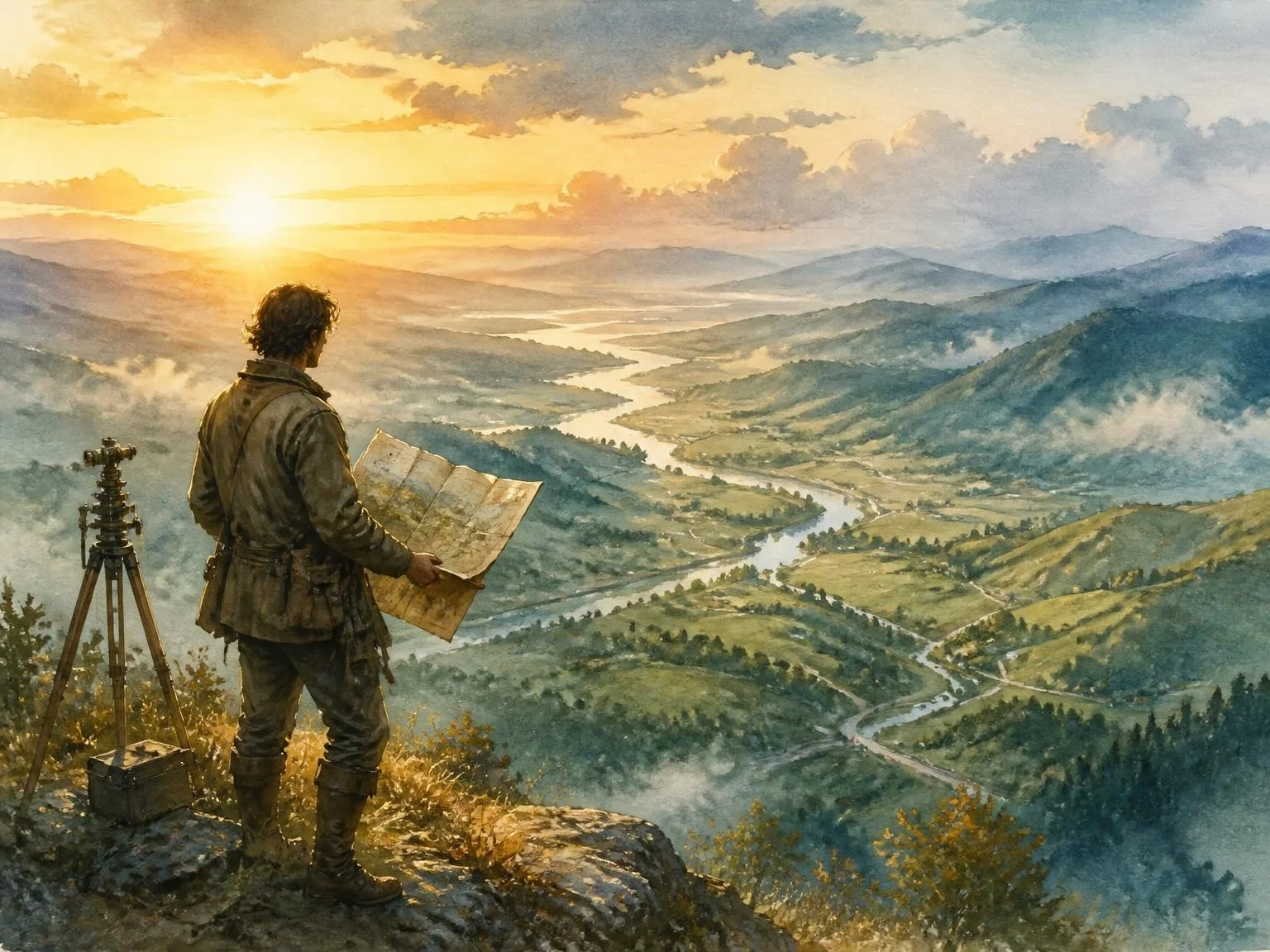
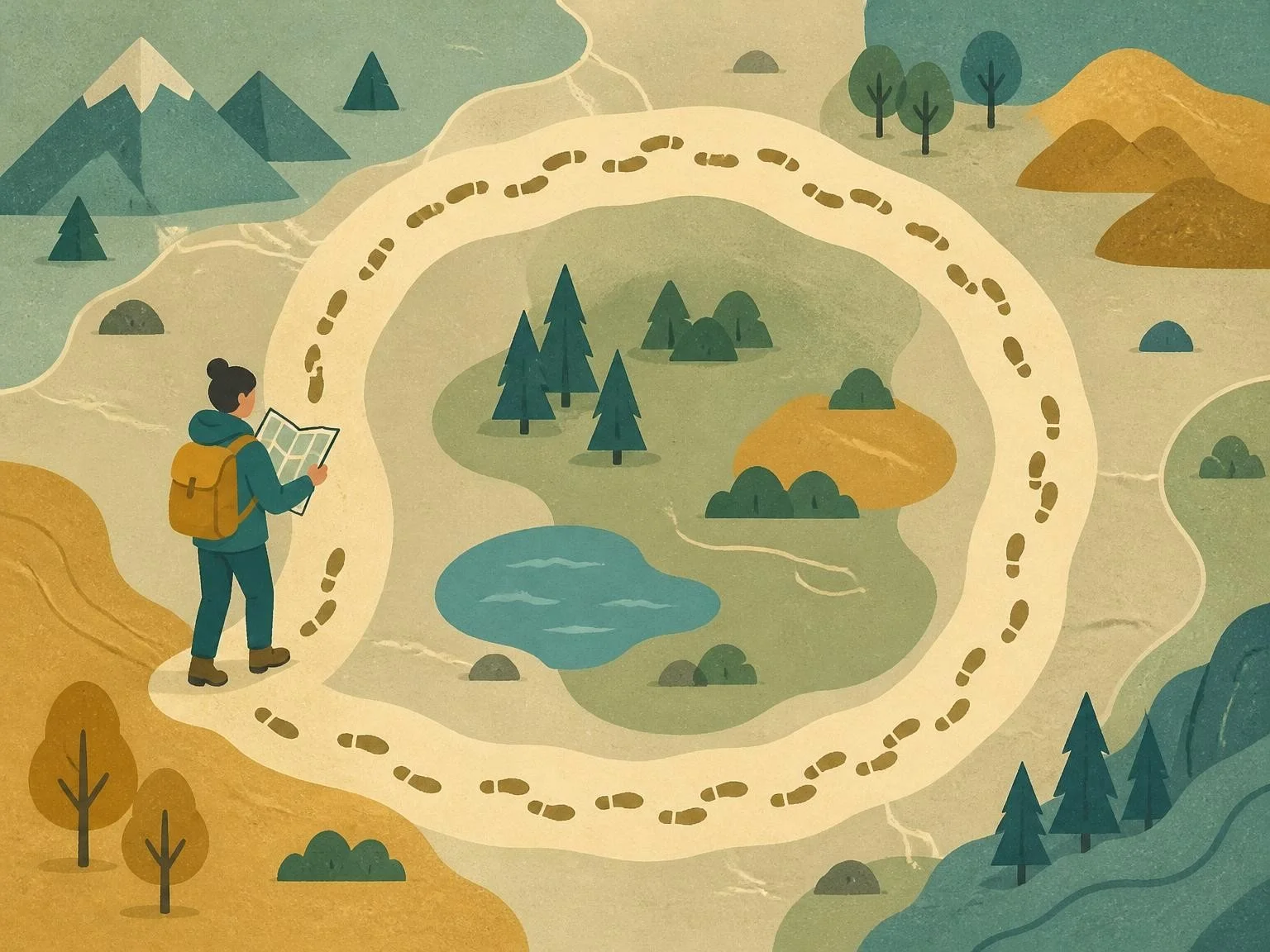
Our understanding of relationships is shaped by much more than what actually happens. Memory, emotion, past experiences, expectations, and information from others all influence how we interpret the people around us. Over time, these interpretations become maps that help us navigate our relationships. But what happens when the map begins to shape the very interactions we're trying to understand?

The article, "When the Map Becomes the Territory: A Model of Interpersonal Meaning-Making," introduces the Cartographic Model, a conceptual framework exploring how interpersonal beliefs develop, influence behavior, and sometimes become resistant to change.

Drawing on psychological research and principles of Radically Open Dialectical Behavior Therapy (RO-DBT), the article explores the relationship between perception, memory, confirmation bias, and radical openness.

At its heart is a deceptively simple question: Can we trust what we know while remaining open to discovering something new?

This article invites clinicians and readers alike to consider how we construct meaning in relationships, how our expectations influence our interactions, and why the ability to revisit our maps may be just as important as the maps themselves.