

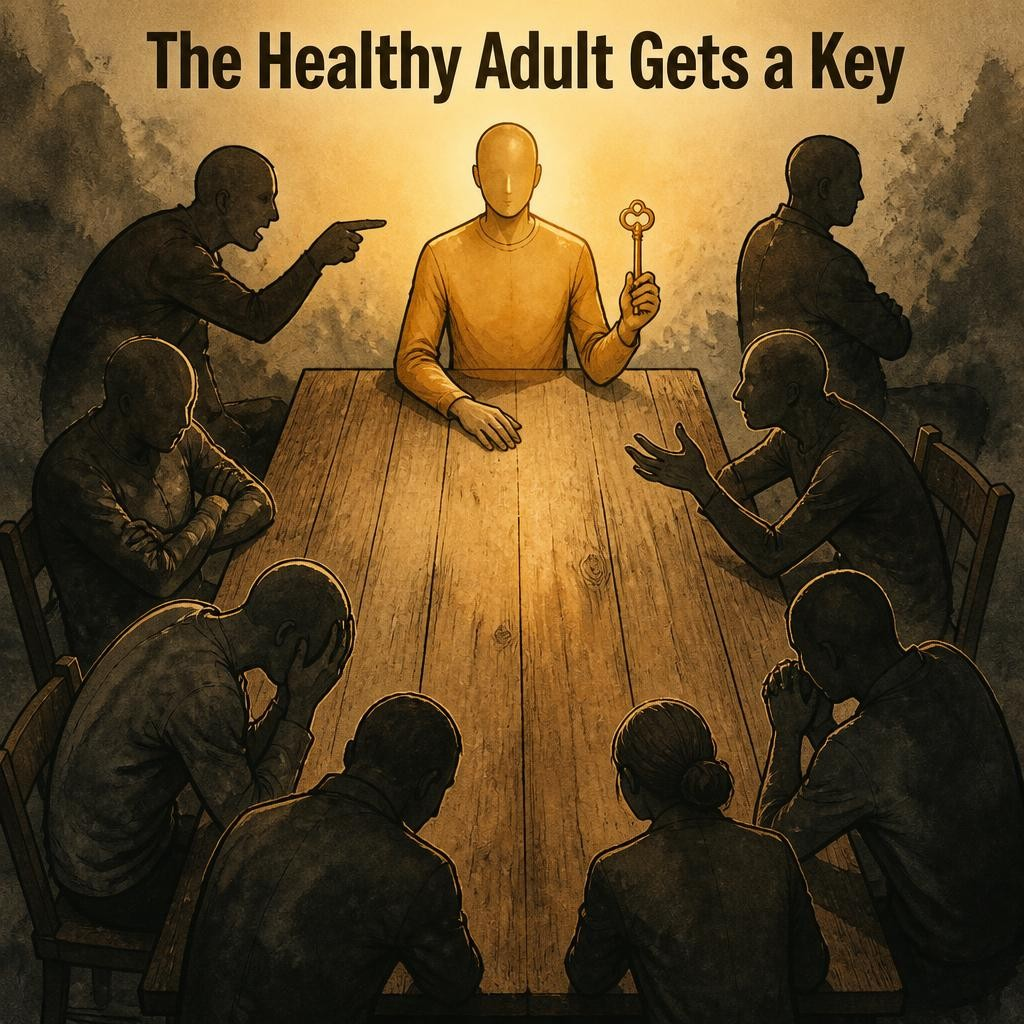
The Healthy Adult Gets a Key: Learning to Lead the House You Live In
What does the Healthy Adult mode look like in Schema Therapy? Explore how the Healthy Adult helps us care for vulnerable emotions, set boundaries, challenge the inner critic, respond flexibly to coping patterns, tolerate uncertainty, and build healthier relationships without expecting ourselves to be perfect.
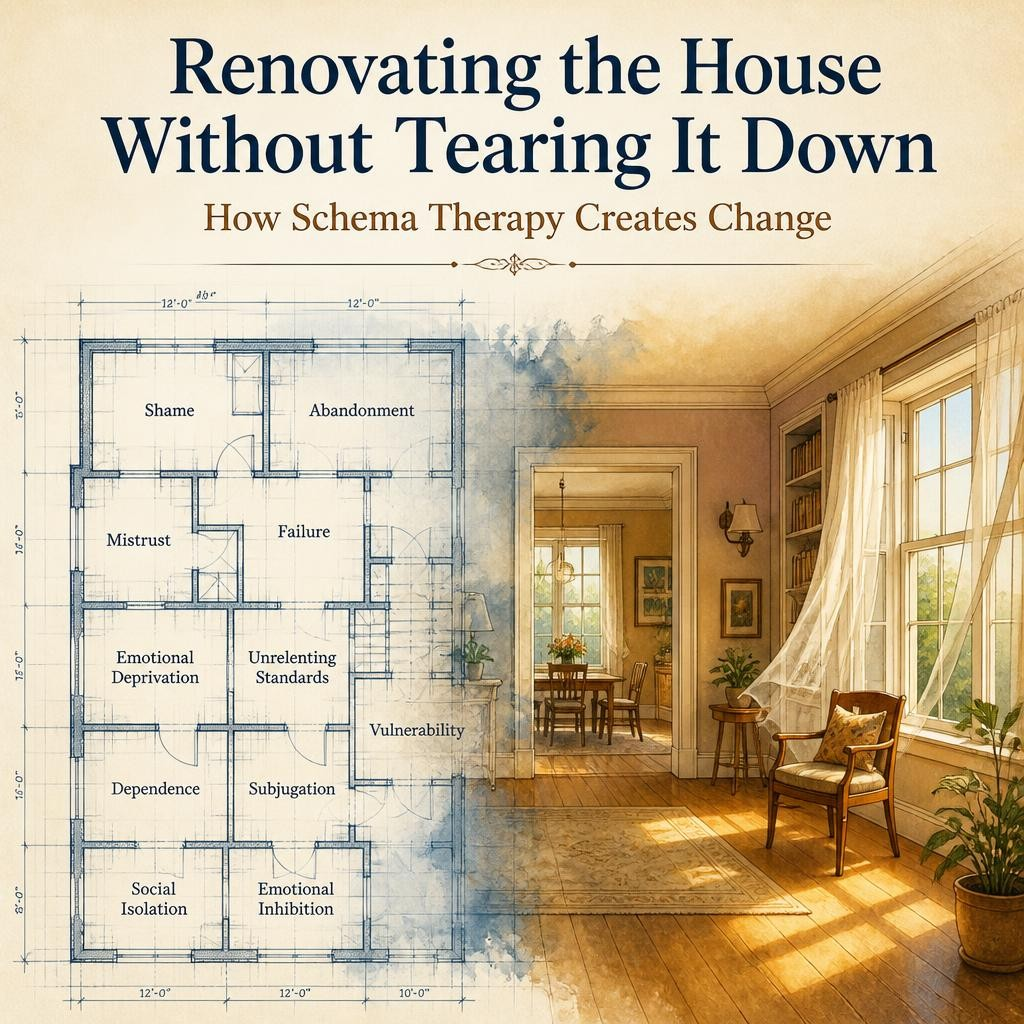
Renovating the House Without Tearing It Down: How Schema Therapy Creates Change
How does Schema Therapy actually create change? Explore how schemas, coping modes, the Vulnerable Child, inner critics, and the Healthy Adult come together through experiential work, behavioral pattern-breaking, healthier relationships, and new emotional experiences to help renovate old patterns without tearing down the person who learned them.
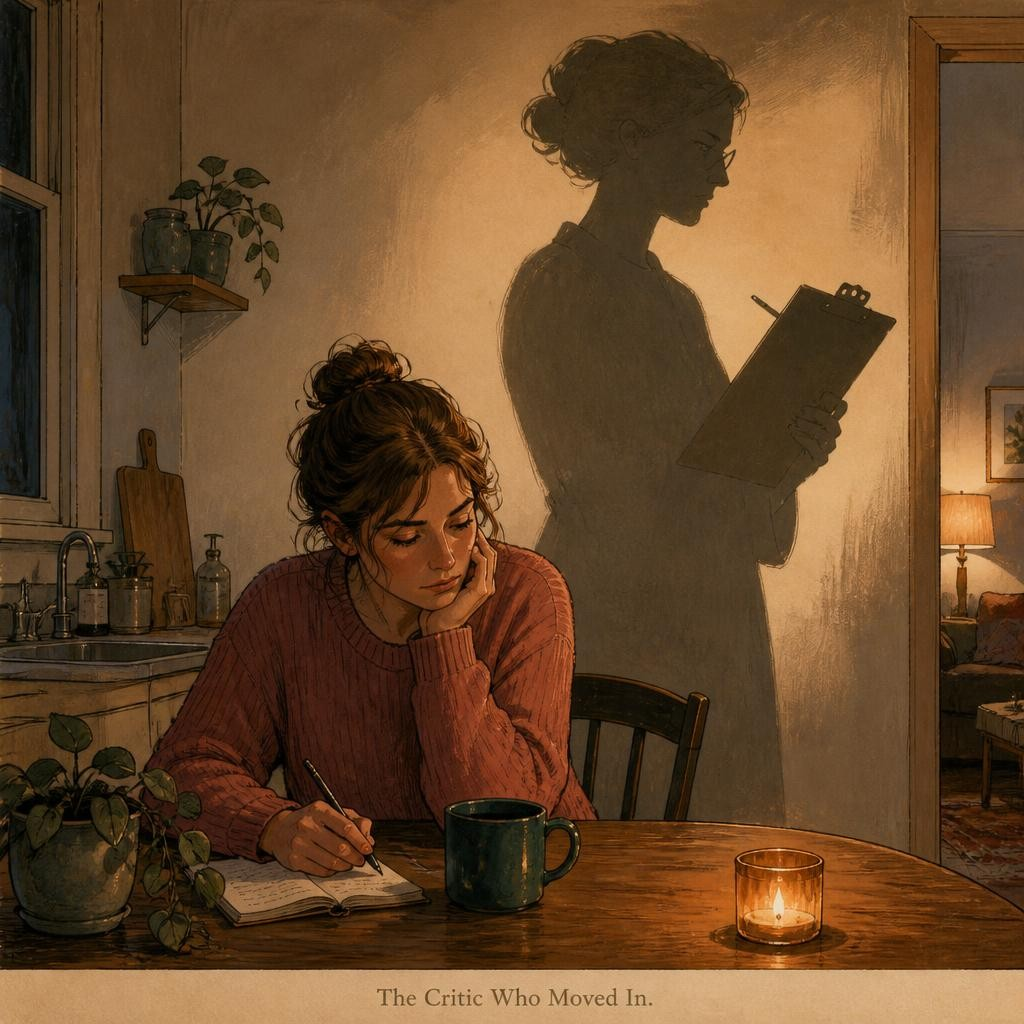
The Critic Who Moved In: When the Harshest Voice in the House Sounds Like Your Own
Why can your inner voice feel so harsh, demanding, or impossible to satisfy? Explore the Punitive and Demanding Critic modes in Schema Therapy, including shame, perfectionism, self-criticism, and the difference between healthy accountability and self-punishment.
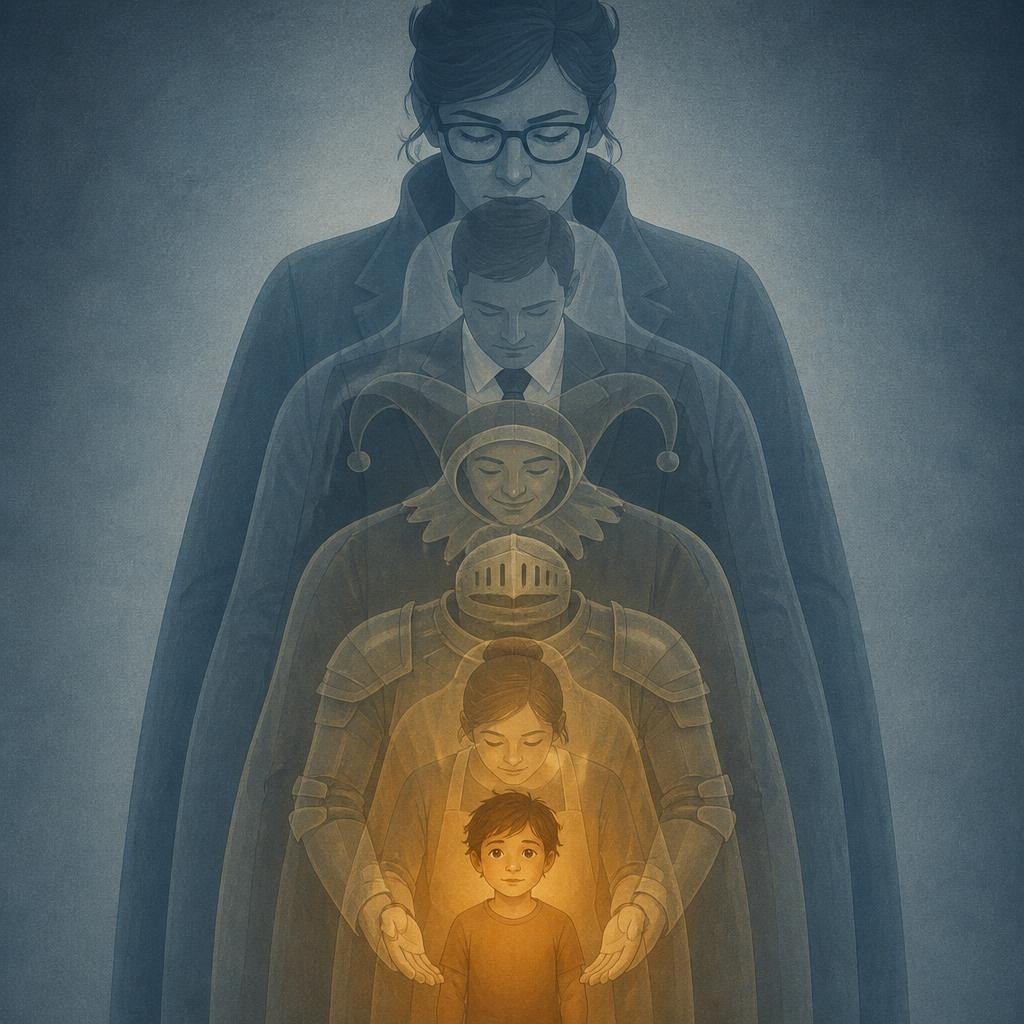
The Protectors in the House: The Parts of Us That Learned Not to Feel
Why do we shut down, people-please, overwork, withdraw, or become intensely independent when we feel vulnerable? Explore protective coping modes in Schema Therapy, including detachment, compliance, avoidance, and overcompensation, and learn how these strategies can be understood without letting them run the house.

The Child in the House: When Old Feelings Become Present Again
Why can adult situations sometimes trigger surprisingly intense emotions? Explore the Vulnerable Child mode in Schema Therapy, including feelings of abandonment, shame, fear, loneliness, and helplessness, and how strengthening the Healthy Adult can help us respond to old emotional needs in new ways.
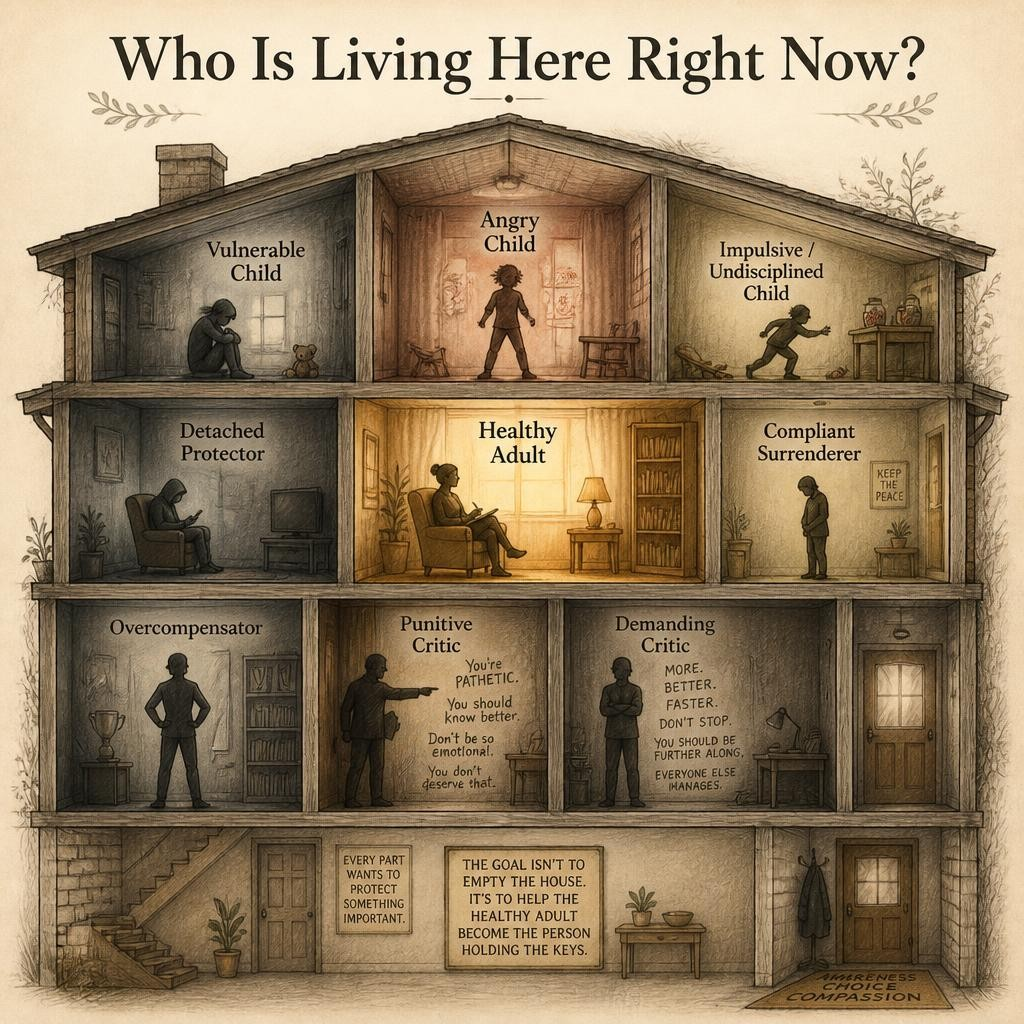
Who Is Living Here Right Now? Understanding Schema Modes
Why can you feel like a different version of yourself depending on the situation? Explore schema modes in Schema Therapy, including the Vulnerable Child, coping modes, protectors, internal critics, and the Healthy Adult—and learn how recognizing who has “entered the room” can create more choice in how you respond.

The Room Where Feelings Have to Whisper: When Emotional Control Becomes Emotional Inhibition
What happens when emotional control becomes emotional inhibition? Explore the emotional inhibition schema in Schema Therapy, including difficulty expressing feelings, fear of vulnerability, intellectualizing emotions, emotional suppression, and how learning to safely express what you feel can strengthen connection and emotional flexibility.
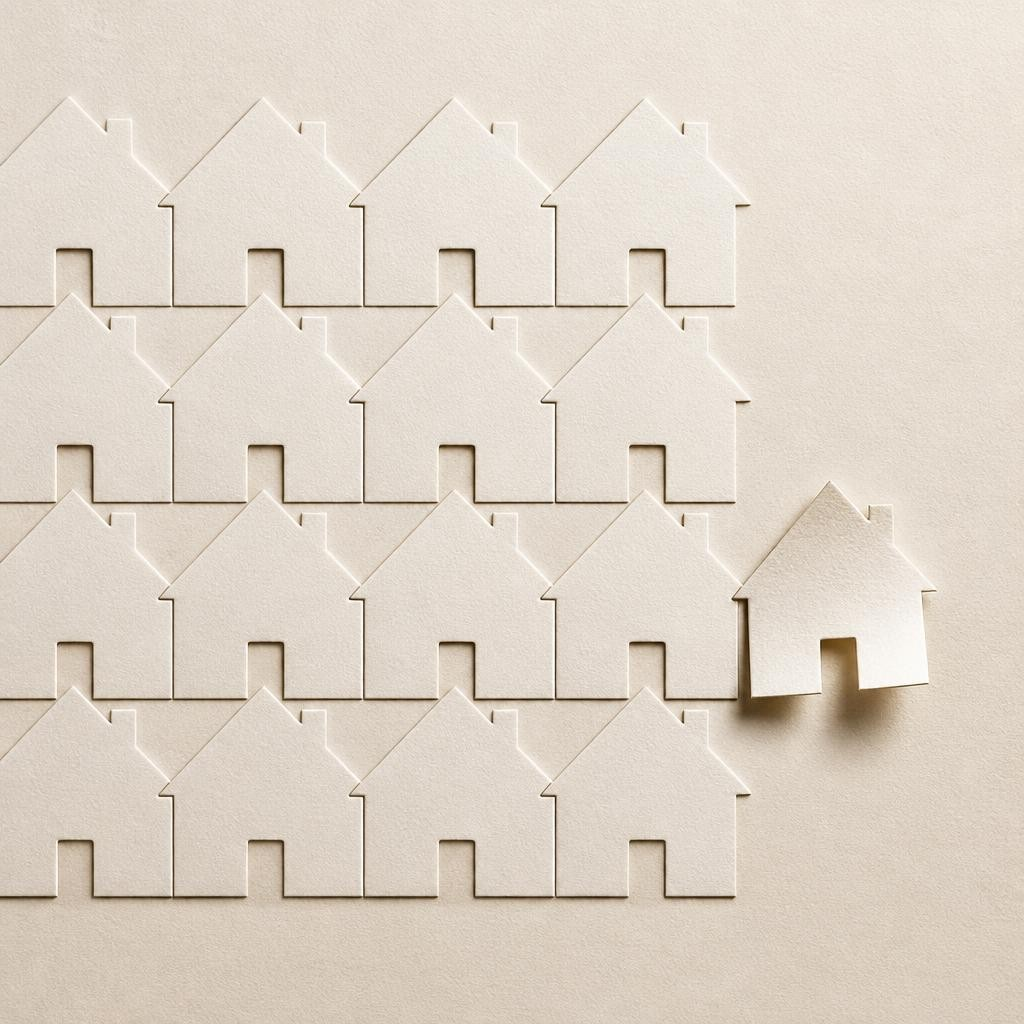
The House at the Edge of the Neighborhood: When You Feel Different Even in a Crowded Room
Why can you feel like an outsider even when surrounded by other people? Explore the social isolation/alienation schema in Schema Therapy, including loneliness, self-monitoring, fear of rejection, feeling different, and how authentic connection can help build a stronger sense of belonging.
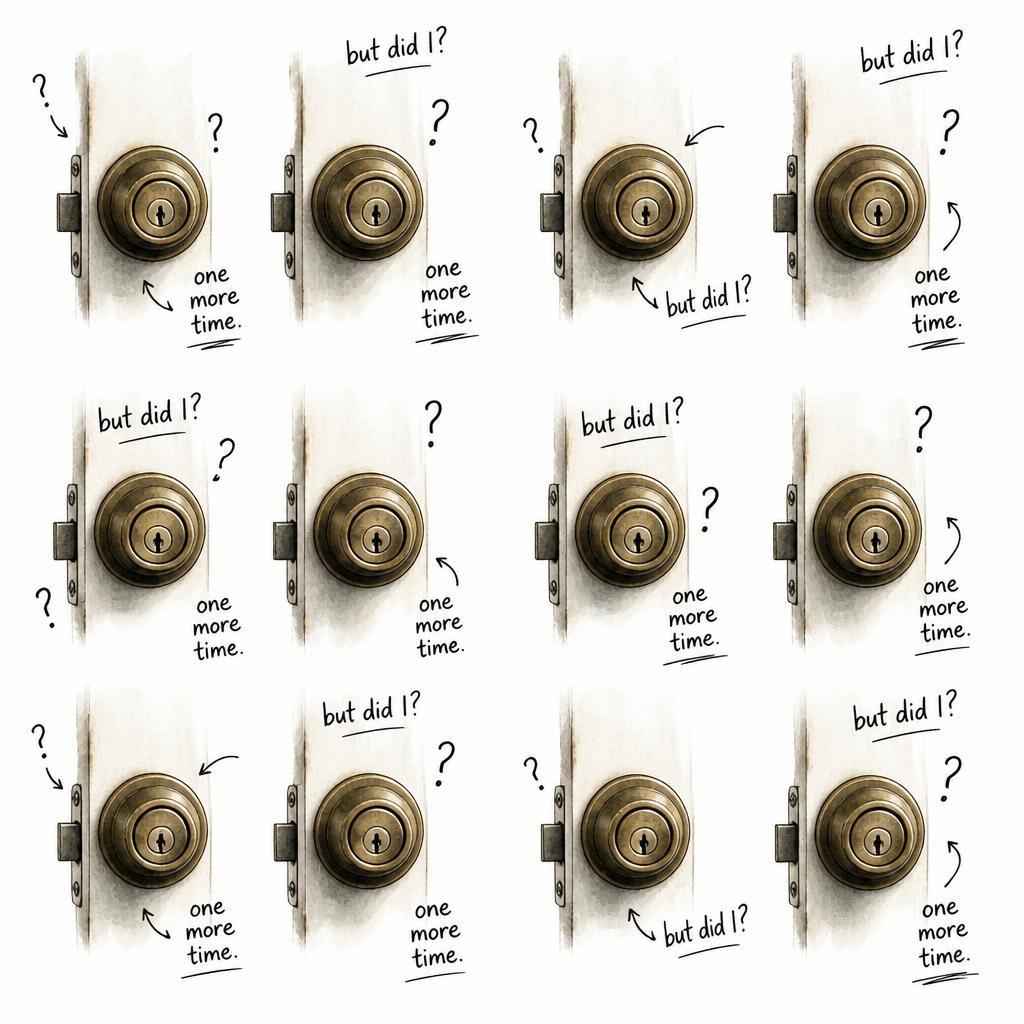
The House on High Alert: When Something Bad Always Feels About to Happen
What happens when something bad always feels just around the corner? Explore the vulnerability to harm or illness schema in Schema Therapy, including catastrophic thinking, health anxiety, reassurance seeking, checking, overcontrol, and how learning to tolerate uncertainty can help you feel safer without living on constant alert.
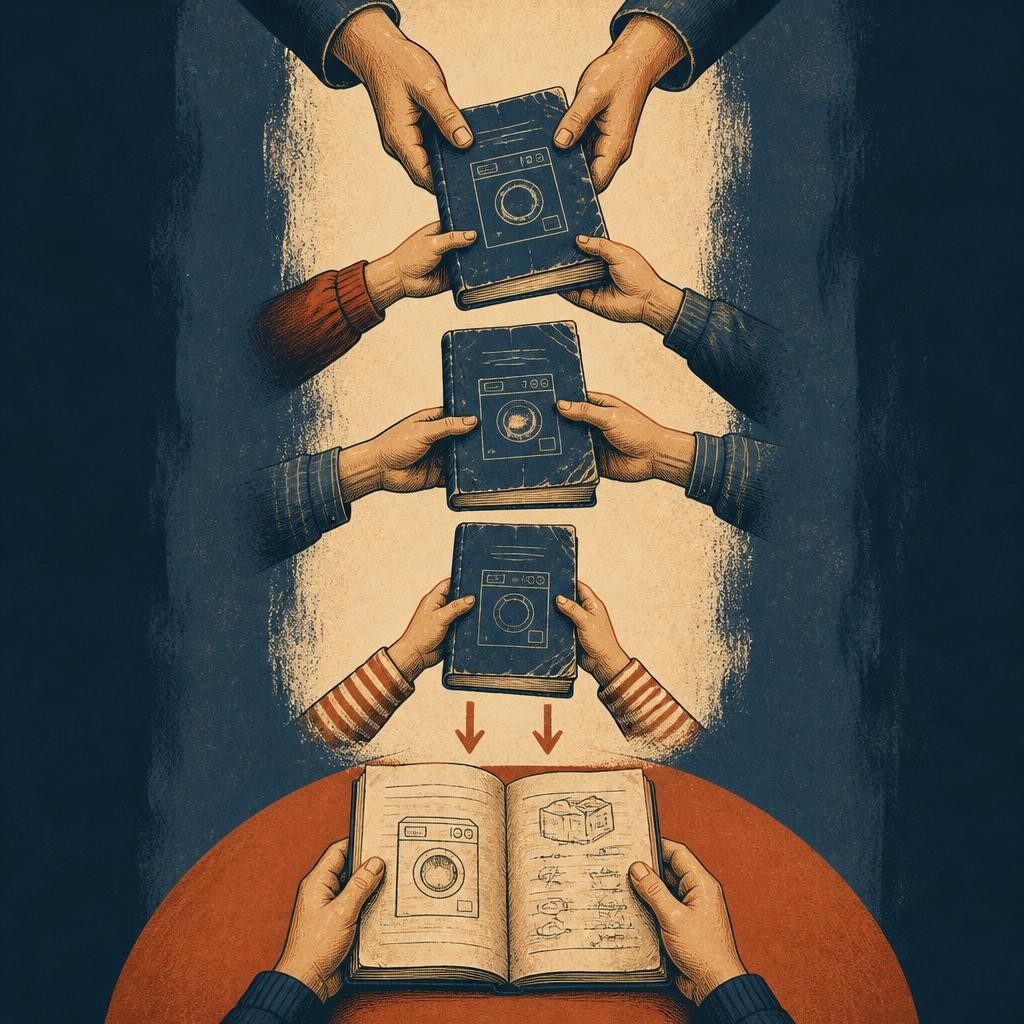
The Room Where Someone Else Holds the Instructions: When You Don't Trust Yourself to Know What to Do
What happens when you struggle to trust your own judgment? Explore the dependence/incompetence schema in Schema Therapy, including reassurance seeking, self-doubt, fear of making the wrong decision, avoidance, and how building self-trust can create a healthier sense of confidence and independence.

The Room Full of Report Cards: When Every Mistake Becomes Evidence
What happens when mistakes start to feel like proof that you aren't capable? Explore the failure schema in Schema Therapy, including self-doubt, comparison, impostor feelings, procrastination, fear of trying, and how learning to separate failure from identity can build a healthier sense of competence.

The Room Where Your Voice Gets Quiet: When Keeping the Peace Means Losing Yourself
Why can speaking up, saying no, or disappointing others feel so difficult? Explore the subjugation schema in Schema Therapy, including self-silencing, people-pleasing, suppressed anger, fear of conflict, and how learning to express your needs and preferences can create healthier relationships.
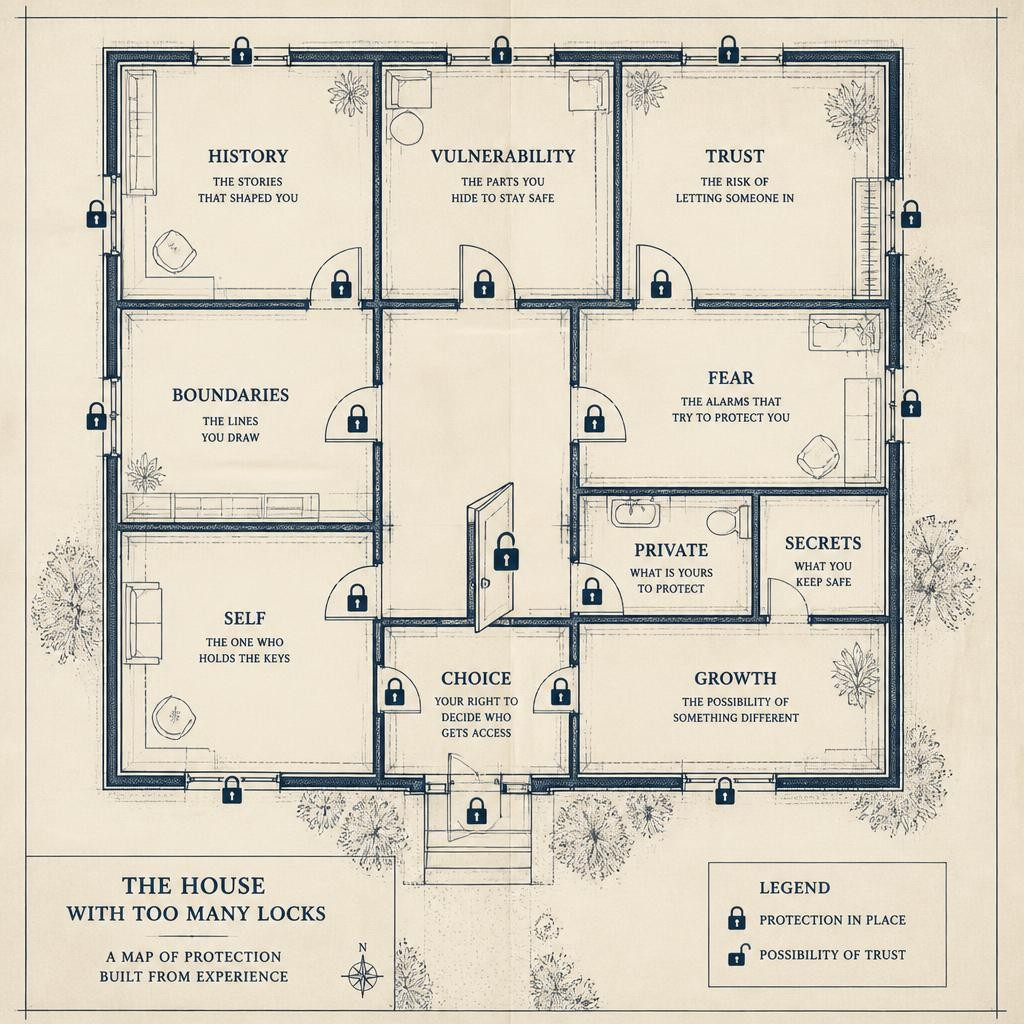
The House With Too Many Locks: When Trust Feels Dangerous
Why can trusting others feel so dangerous? Explore the mistrust/abuse schema in Schema Therapy, including hypervigilance, fear of betrayal, difficulty with vulnerability, and the difference between healthy boundaries and protective walls that keep connection out.
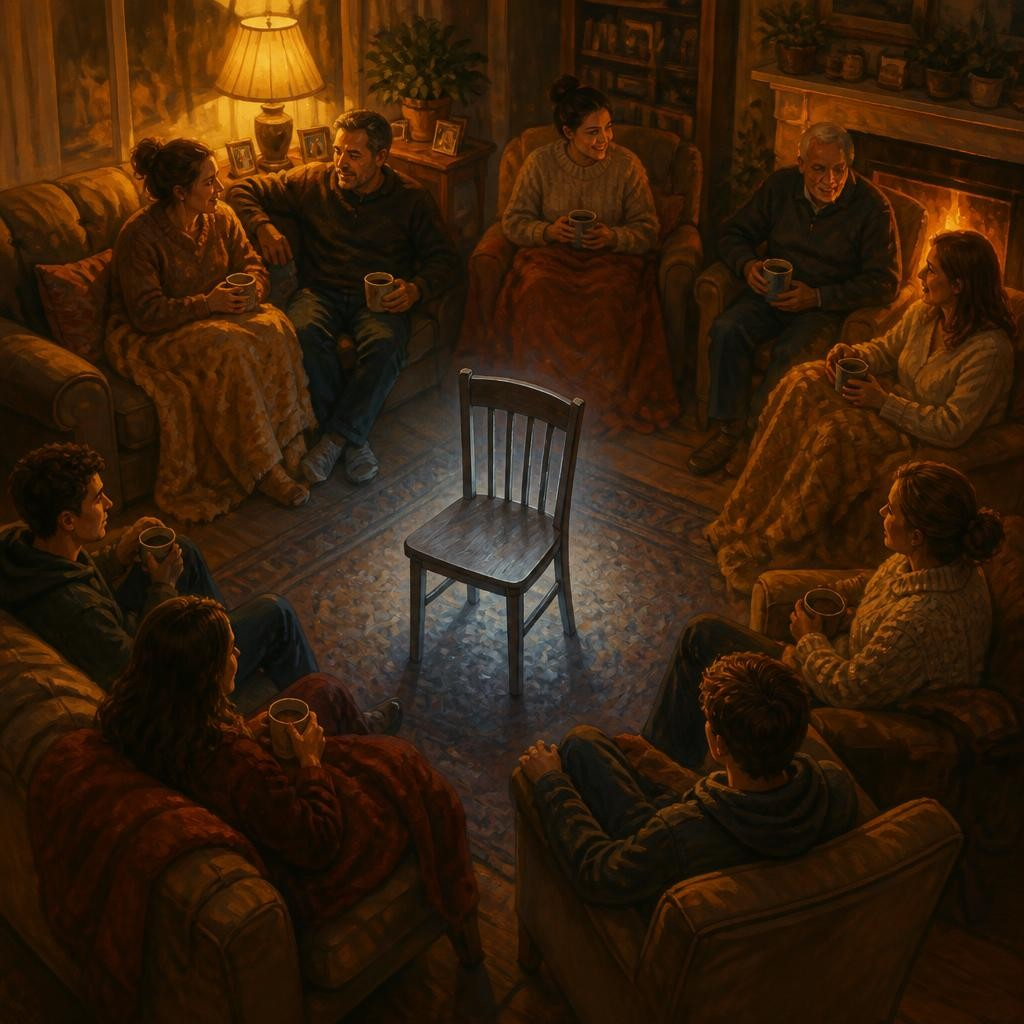
The Room Everyone Else Gets to Use: When Caring for Others Leaves No Space for You
When does caring for others become self-sacrifice? Explore the self-sacrifice schema in Schema Therapy, including people-pleasing, guilt, chronic caretaking, resentment, difficulty setting boundaries, and how learning to recognize your own needs can create healthier, more reciprocal relationships.

The Room That Is Never Finished: When Good Enough Never Feels Good Enough
When does striving for excellence become exhausting perfectionism? Explore the unrelenting standards schema in Schema Therapy, including chronic pressure, difficulty resting, fear of mistakes, procrastination, and the struggle to believe that something—and sometimes you—can be good enough.

The Room Behind the Locked Door: When Being Known Feels Dangerous
What if being truly known feels dangerous? Explore the defectiveness and shame schema in Schema Therapy, including how shame can shape self-worth, perfectionism, vulnerability, relationships, and fear of rejection and how we can begin separating who we are from the flaws we fear others will see.

The Empty Room: When You Stop Expecting Anyone to Meet You There
Why can you feel emotionally alone even when people are there? Explore the emotional deprivation schema in Schema Therapy, including self-reliance, unmet emotional needs, difficulty asking for support, and how learning to recognize, communicate, and receive care can begin to change longstanding relationship patterns.
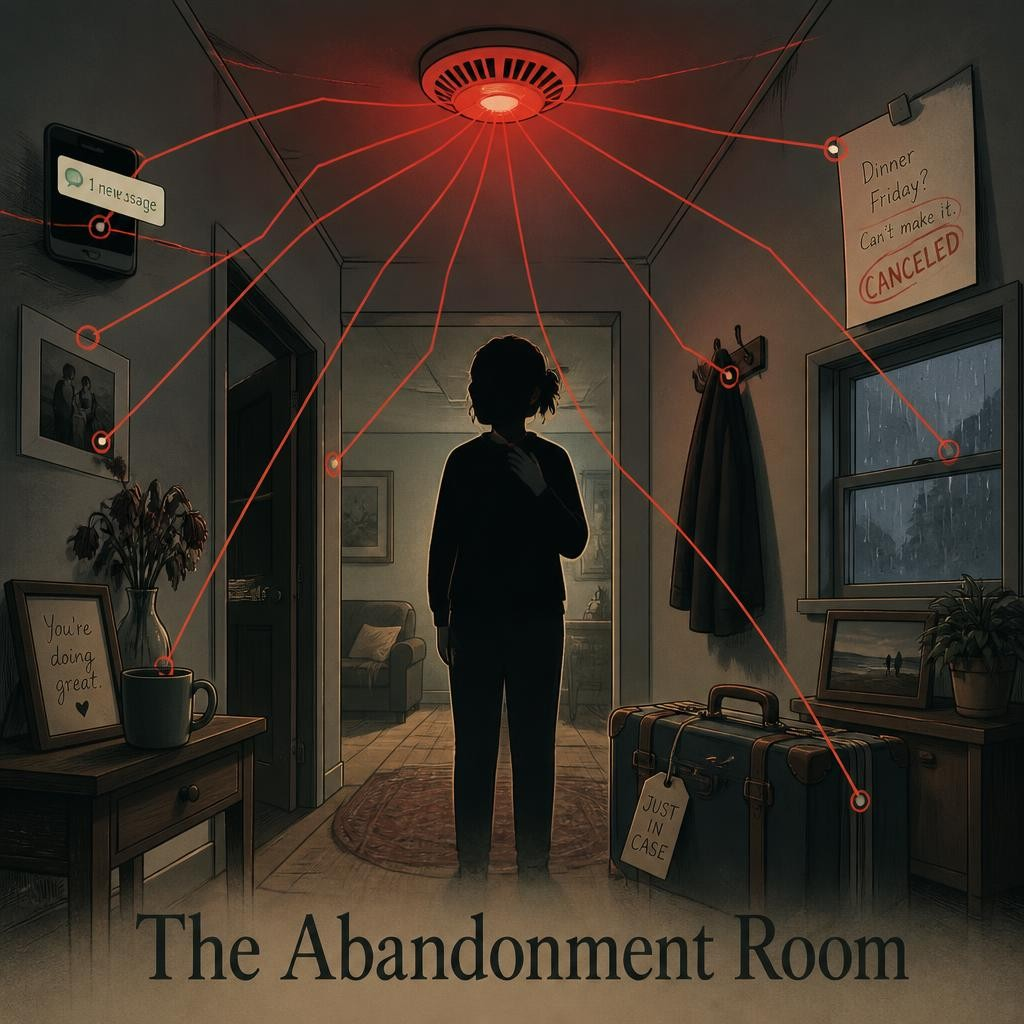
The Abandonment Room: When Part of You Is Always Waiting for Someone to Leave
Why can small changes in closeness feel like signs that someone is leaving? Explore the abandonment schema in Schema Therapy, including how fear of loss can shape relationships, trigger anxiety, and lead to clinging, avoidance, or leaving first—and how healthier patterns of connection can develop.
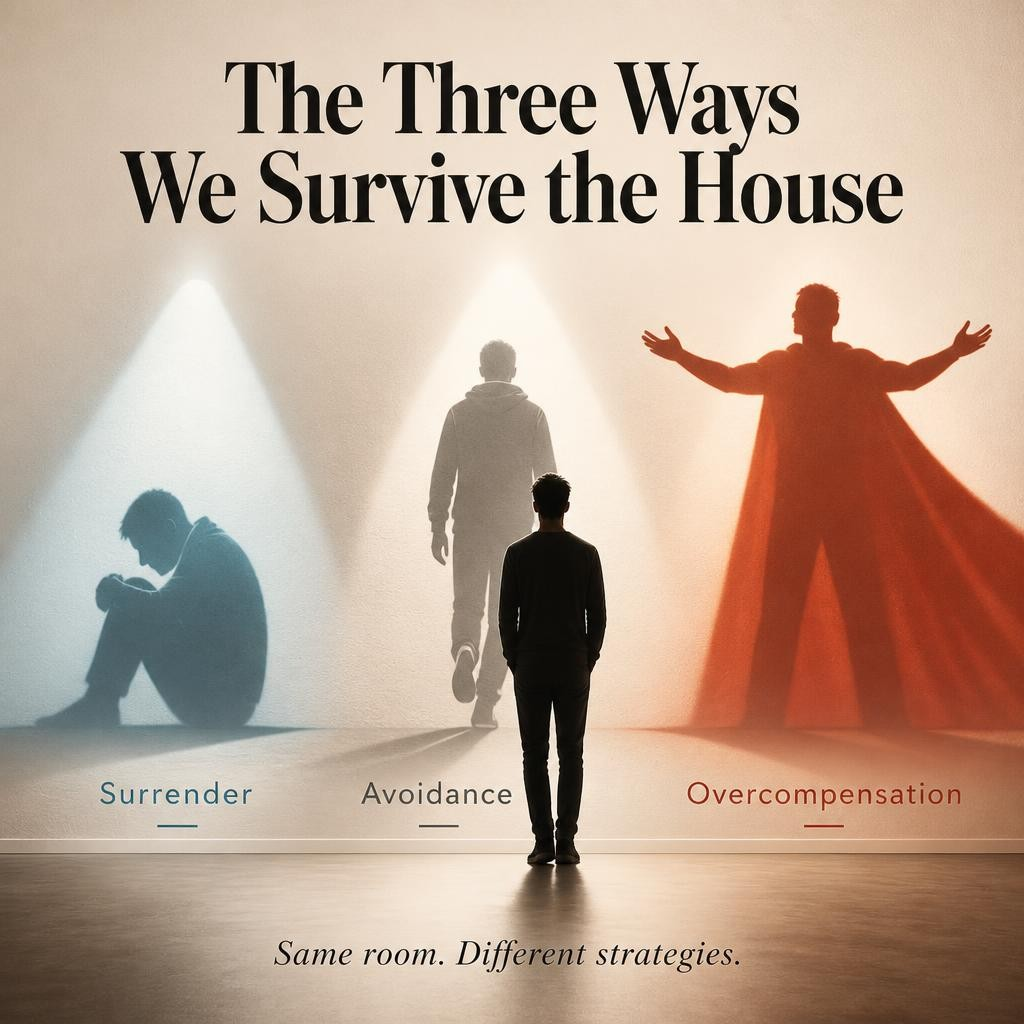
The Three Ways We Survive the House: Surrender, Avoidance, and Overcompensation
Why do we surrender to old patterns, avoid what hurts, or swing hard in the opposite direction? Explore how Schema Therapy explains three common coping styles—surrender, avoidance, and overcompensation—and how understanding what these strategies protect can help us develop healthier, more flexible responses.

When the House Keeps Proving Itself: Schemas Maintain the Patterns We Want to Change
Why do we keep repeating patterns even when we know they aren't helping? Explore how Schema Therapy explains schema maintenance, including the ways our expectations, interpretations, and coping responses can reinforce old beliefs—and how we can begin creating experiences that challenge the original blueprint.