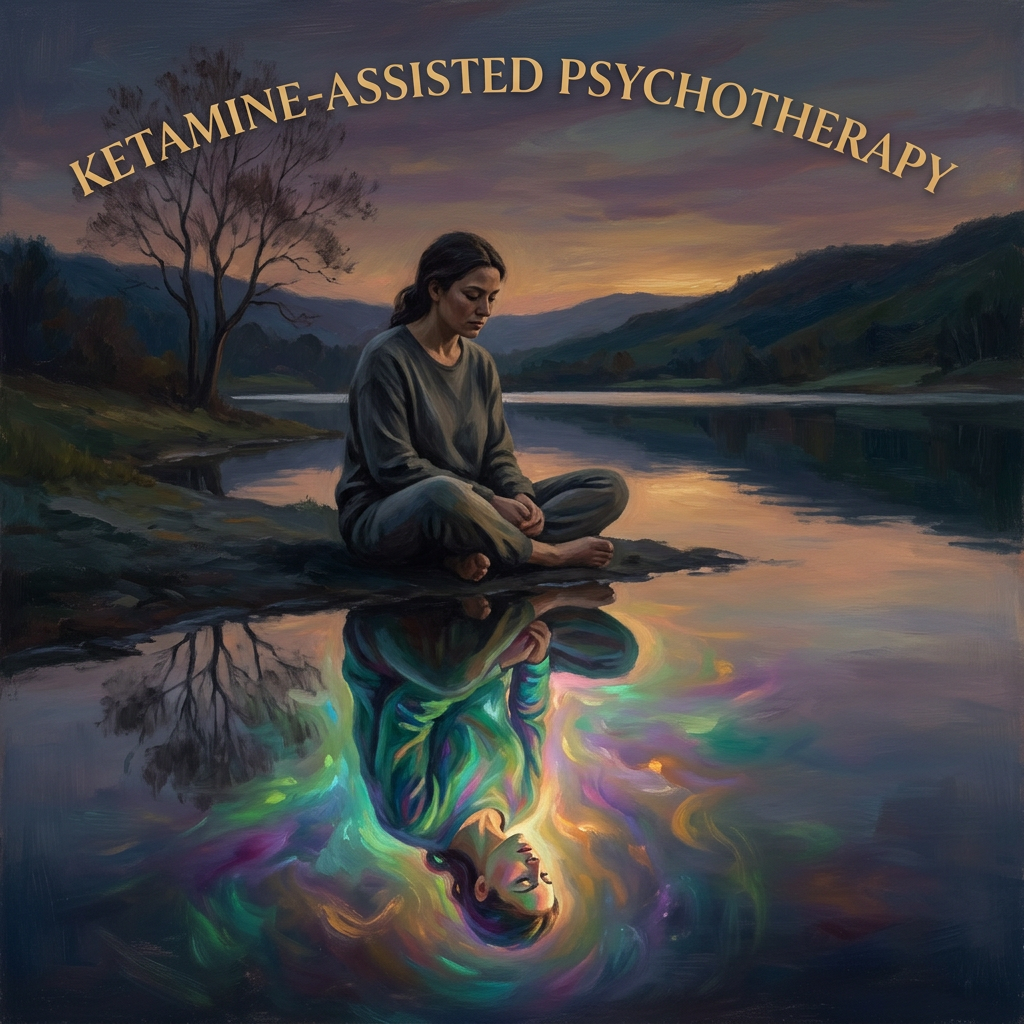
What Is Ketamine-Assisted Psychotherapy? When You Know Why You're Struggling but Still Can't Seem to Change
What is ketamine-assisted psychotherapy? Discover how KAP helps individuals move beyond trauma, depression, anxiety, and long-standing emotional patterns by creating opportunities for new learning, healing, and lasting change.
One of the most frustrating places to find yourself is knowing exactly why you struggle and still feeling unable to change it.
You understand where your anxiety comes from. You recognize the impact your childhood had on you. You can trace the origins of your relationship patterns. You've read the books, listened to the podcasts, gone to therapy, and developed insight into your struggles.
Yet somehow, you still find yourself reacting in the same ways.
You still shut down during conflict.
You still hear the voice of the inner critic.
You still feel stuck.
This is often the point where people begin to wonder if they are doing something wrong. They start asking themselves, "Why isn't therapy working?" or "If I understand the problem, why do I keep repeating it?"
The answer is that healing is rarely just about insight.
Insight is important, but insight alone doesn't always create transformation.
Why Understanding Isn't Always Enough
Many of the patterns that create suffering are not simply thoughts we think. They are experiences that have become embedded in the way we relate to ourselves, others, and the world around us.
Over time, our nervous systems learn what to expect.
If you've experienced rejection, you may learn to anticipate abandonment.
If you've experienced criticism, you may become highly attuned to signs of disapproval.
If you've experienced trauma, your body may continue responding as though danger is present long after the threat has passed.
These responses are not signs of weakness. They are adaptations.
At one point, they likely helped you survive.
The challenge is that our brains often continue running old programs long after they have stopped serving us.
As therapists, we see this all the time. People know exactly what they "should" do, yet find themselves unable to access those healthier responses when it matters most.
This is where ketamine-assisted psychotherapy can become a valuable tool.
What Is Ketamine-Assisted Psychotherapy?
Ketamine-Assisted Psychotherapy (KAP) combines psychotherapy with carefully administered ketamine experiences in a therapeutic setting.
Ketamine itself is not the treatment.
The therapy is the treatment.
Ketamine simply helps create conditions that may allow therapy to work differently.
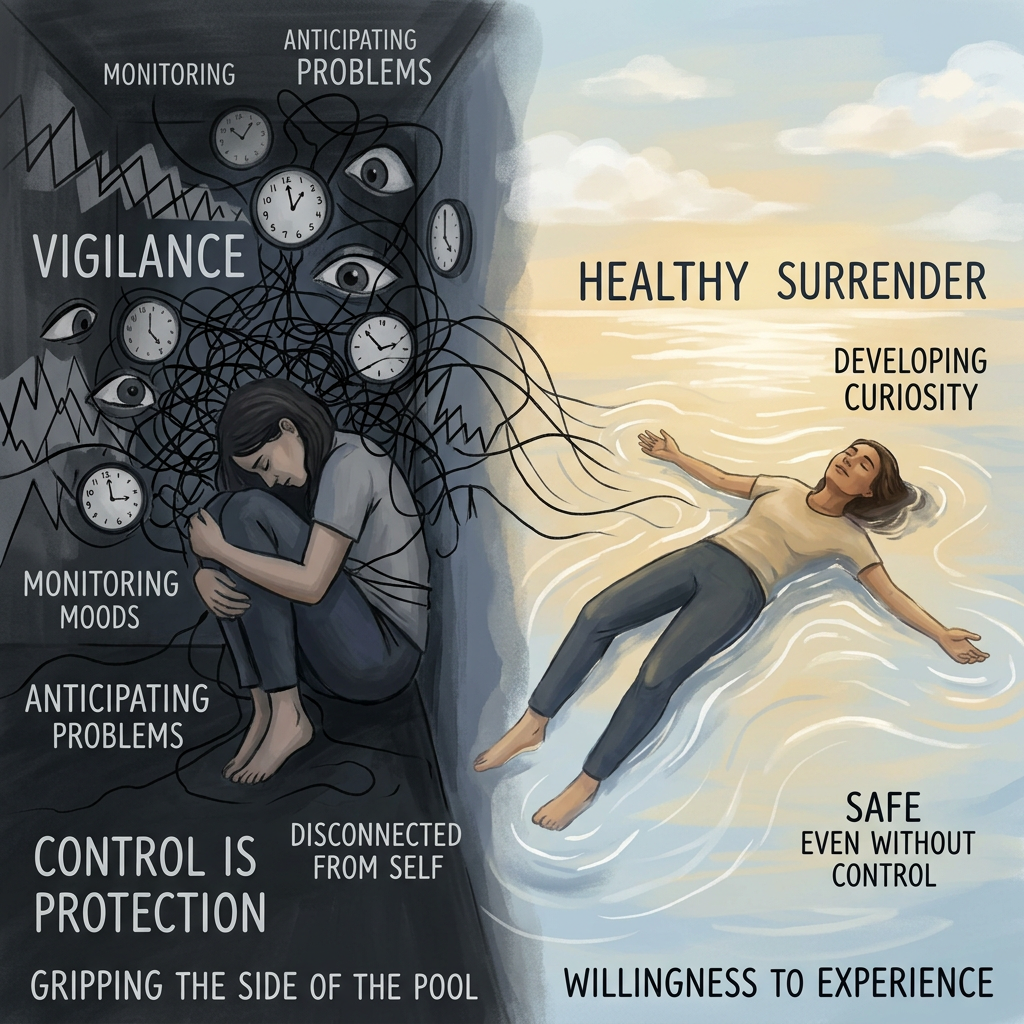
Many people describe feeling less attached to their usual narratives during a ketamine experience. The rigid stories they've carried about themselves begin to loosen. Defenses that normally activate automatically may soften. Long-standing beliefs can become easier to examine.
For some people, this creates enough space to see themselves with greater compassion.
For others, it allows them to approach experiences they've spent years avoiding.
For many, it offers a rare opportunity to step outside the familiar pathways that have kept them feeling stuck.
Creating Flexibility Where There Has Been Rigidity
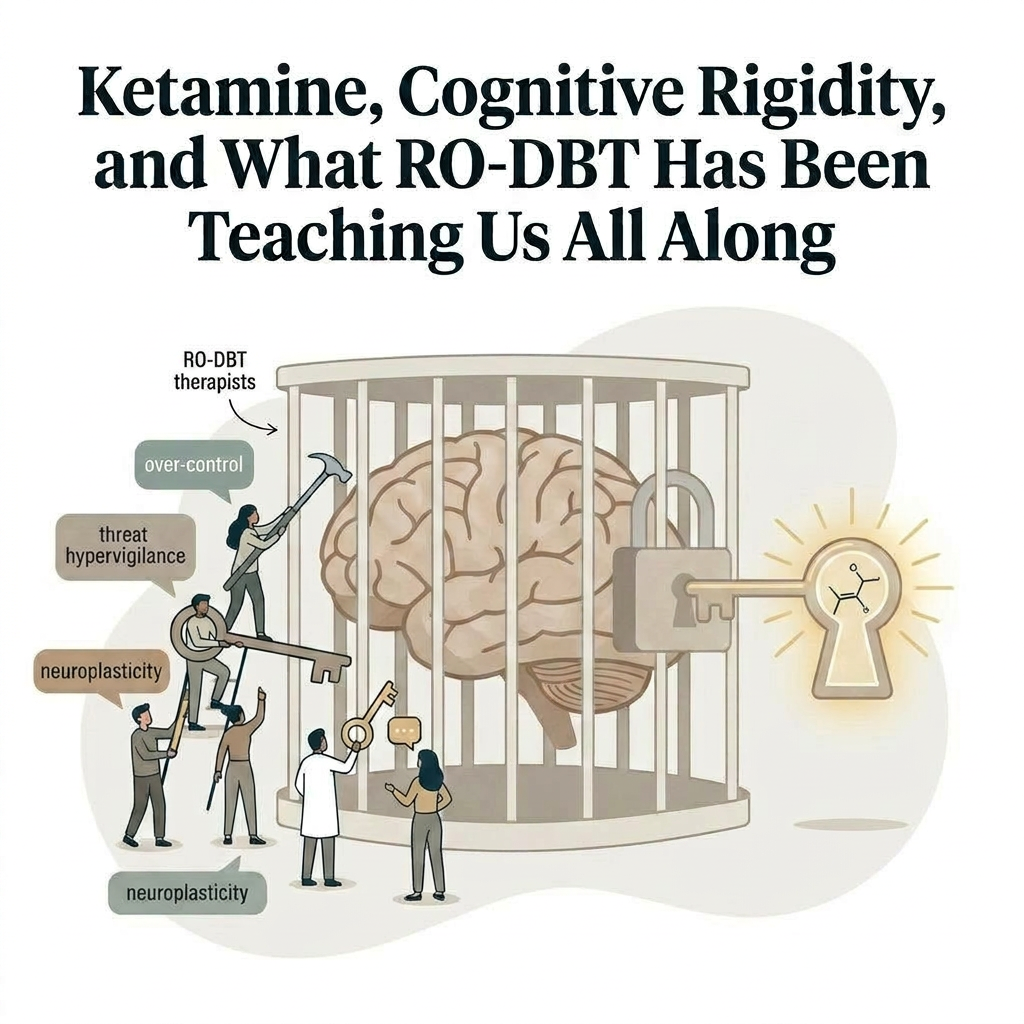
One of the things that makes ketamine so promising is its potential to increase flexibility within the brain.
When people have been struggling for years, their emotional and behavioral patterns often become deeply ingrained. It's not that they lack motivation. It's not that they aren't trying hard enough.
The pathways have simply become well worn.
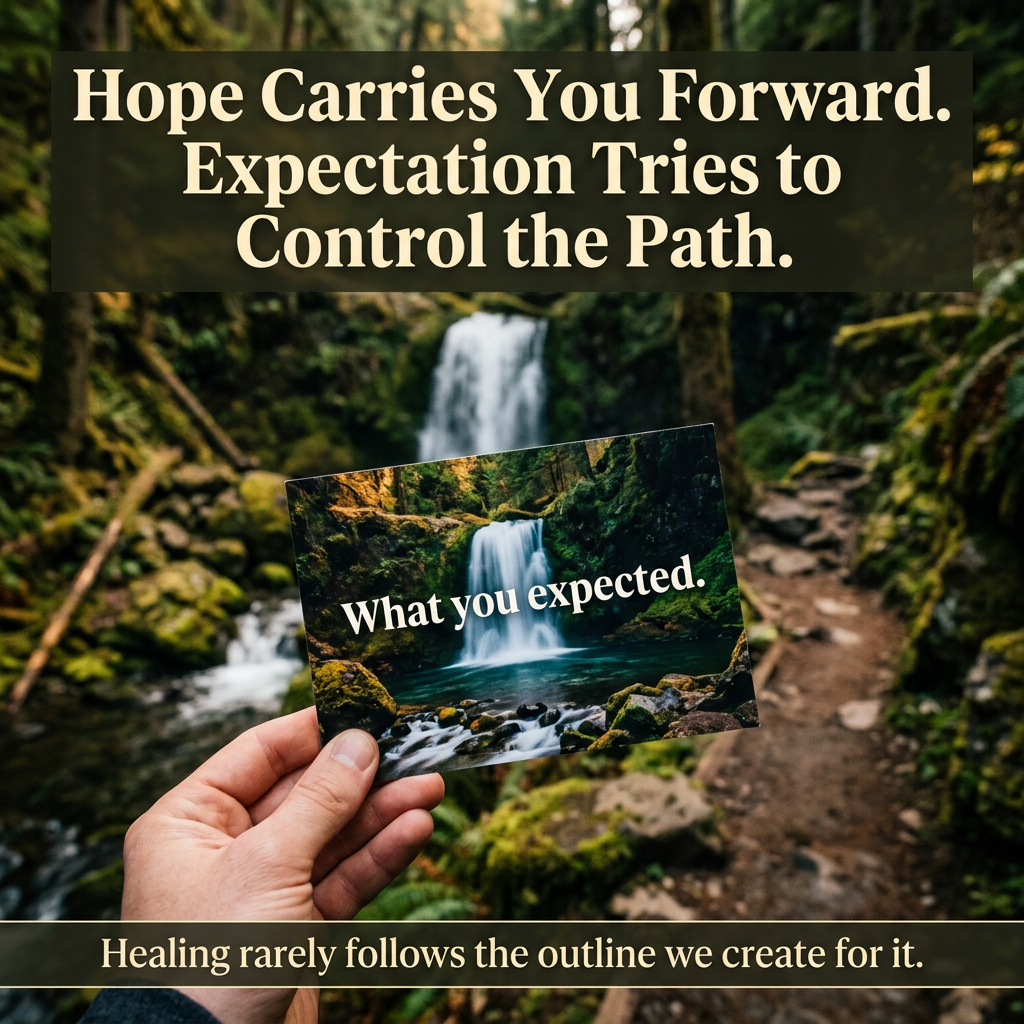
Imagine walking through a field every day using the exact same trail. Over time, that path becomes easy to follow because it has been reinforced repeatedly.
Our brains work similarly.
The more often we think, feel, and respond in certain ways, the stronger those pathways become.
Ketamine appears to temporarily increase the brain's ability to form new connections and consider new possibilities.
For individuals who have felt trapped in the same emotional loops for years, this can create opportunities for new learning that might otherwise feel inaccessible.
The Goal Isn't Escape
One of the biggest misconceptions about ketamine-assisted psychotherapy is that it is about having a powerful experience.
While meaningful experiences can occur, the goal is not escape, avoidance, or temporary relief.
The goal is transformation.
In many ways, ketamine creates an opportunity to see beyond the assumptions, defenses, and protective strategies that have organized our lives.
When that happens, people often gain access to something that was previously difficult to reach—grief, compassion, hope, self-forgiveness, clarity, or a deeper understanding of themselves.
These experiences can be powerful, but they are only part of the process.
Why Integration Matters
The most important work often happens after the ketamine experience ends.
At Evolution of Self, we spend a significant amount of time helping clients make meaning of what emerged during their sessions.
This process is called integration.
Integration involves taking insights, emotions, realizations, and experiences from the ketamine session and translating them into meaningful changes in daily life.
Without integration, even profound experiences can fade.
With integration, those experiences can become catalysts for lasting change.
The goal is not simply to have an experience.
The goal is to become different because of it.
Is Ketamine-Assisted Psychotherapy Right for You?
Ketamine-assisted psychotherapy is not the right fit for everyone.
However, it may be worth exploring if you feel like you've been doing the work but continue finding yourself stuck in the same patterns.
Many of the individuals who seek KAP are not looking for a quick fix. They are looking for a different way forward.
They are tired of understanding the problem without experiencing meaningful change.
They want relief, but they also want growth.
Most importantly, they want movement.
Sometimes We Need Help Accessing What We Already Know
One of the things I love most about ketamine-assisted psychotherapy is that it doesn't give people something that wasn't already there.
More often, it helps people access something they have been disconnected from.
A deeper truth.
A forgotten feeling.
A new perspective.
A capacity for healing that has been buried beneath years of protection and survival.
The goal is not to become someone new.
The goal is to reconnect with the parts of yourself that have been difficult to reach and create the conditions for lasting change.
Because sometimes the problem isn't that you don't know what needs to happen.
Sometimes the problem is that you've been stuck on the same path for so long that you need help finding a new one.