Emily Williams Emily Williams

Trauma Triggers, Dumpster Cats, and the Unintegrated Mind

Why do trauma triggers happen, even when we know we're safe? In this article, we explore how the nervous system becomes conditioned through life experiences, much like salivating at the thought of a lemon. Using the metaphor of a feral cat adapting from a dumpster to a loving home, we examine how trauma responses develop, why they persist, and how invalidation can worsen emotional dysregulation. Learn how the unintegrated mind reacts to past experiences, why triggers are not signs of weakness, and how healing involves helping the nervous system update old patterns so it can respond to the present rather than the past.

When people hear the word trigger, they often imagine something dramatic.

A loud noise. A panic attack. A flashback.

But triggers are not unusual. In fact, triggers are happening inside your body all day long.

Let me show you what I mean.

Do you like lemons?

Have you ever eaten one?

Have you ever cut a lemon and eaten a slice by itself?

As you're reading this, pay attention to your mouth.

Did it start to water?

Did your face tighten a little?

Did you feel yourself anticipating the sour taste?

If so, nothing is wrong with you.

You just experienced a trigger.

My words triggered a conditioned response in your body.

The lemon isn't here. There is no acid on your tongue. Nothing is actually happening in the present moment. Yet your nervous system is already preparing itself for what it expects is coming.

Your body learned that lemons are acidic. It learned what needs to happen to accommodate that experience. It learned the pattern and now automatically responds.

This is how conditioning works.

Trauma works the same way.

The difference is that instead of preparing for a sour taste, the body is preparing for danger.

The nervous system learns that certain sounds, smells, facial expressions, environments, relationship dynamics, tones of voice, or situations predict pain.

Eventually, the body no longer waits to see if danger is actually present.

It responds automatically.

The body anticipates.

The body prepares.

The body protects.

Long before the conscious mind has a chance to catch up.

This is why people often become frustrated with themselves after trauma.

"I know I'm safe."

"I know they're not my parent."

"I know my boss isn't actually yelling at me."

"I know my partner isn't leaving."

Yet their body is already reacting.

Their heart is racing.

Their stomach is tightening.

Their muscles are bracing.

Their thoughts are scanning for danger.

The body is responding exactly the way it was conditioned to respond.

The problem is that most people interpret these responses as evidence that something is wrong with them.

But often there is nothing wrong with them.

The conditioning simply no longer matches the environment.

I often think about trauma through the lens of a feral cat.

Imagine a cat that spent years surviving behind a dumpster.

The cat scavenges for food because no one feeds it.

It hisses because every approaching animal could be a threat.

It claws because vulnerability gets you hurt.

It hides because unexpected noises often signal danger.

These behaviors are not signs that the cat is bad.

They are signs that the cat adapted.

Now imagine someone rescues the cat and brings it into a loving home.

The cat claws the owner.

It gets into the trash.

It tears up furniture.

It hisses whenever someone approaches.

The owners become frustrated.

"This cat is awful."

"This cat is mean."

"This cat is impossible."

But the cat isn't awful.

The cat is behaving exactly the way it was conditioned to behave in the environment where it learned to survive.

The problem is not the cat.

The problem is that the conditioning was built for a dumpster and the cat now lives in a house.

Many trauma survivors are living the same experience.

Their nervous systems were conditioned in environments where hypervigilance was necessary.

Where trust was dangerous.

Where vulnerability was punished.

Where emotions were ignored.

Where unpredictability was normal.

Where people who were supposed to provide safety were the source of danger.

The nervous system adapted.

And often, those adaptations worked.

The child who constantly monitored everyone's mood may have prevented conflict.

The child who never trusted anyone may have avoided being hurt.

The child who stayed quiet may have avoided criticism.

The child who remained hyperaware may have remained safe.

The problem emerges when that child grows up and enters environments that operate by different rules.

The nervous system continues responding as though it still lives in the dumpster.

Then the person gets labeled.

Too sensitive.

Too reactive.

Too emotional.

Too defensive.

Too needy.

Too avoidant.

Too much.

And now a second injury occurs.

The first injury was the trauma.

The second injury is the invalidation.

Instead of recognizing the behavior as an adaptation, the environment treats the adaptation as evidence that something is fundamentally wrong with the person.

Imagine bringing the feral cat into your home and yelling at it every time it hisses.

Punishing it every time it hides.

Shaming it every time it claws.

The cat doesn't become safer.

The cat becomes more frightened.

The cat learns that even this environment is not safe.

This is what often happens to trauma survivors.

The nervous system reacts.

The environment responds with criticism, judgment, frustration, or shame.

The person becomes even more dysregulated.

The very adaptations that developed to keep them safe become reinforced.

This is one reason the unintegrated mind struggles to heal.

The unintegrated mind does not recognize that its reactions belong to a different environment.

Instead, it experiences the present through the lens of the past.

The body reacts.

The mind searches for evidence that the reaction makes sense.

The nervous system becomes trapped in old learning.

Integration is not about forcing yourself to stop reacting.

It is not about judging yourself for having triggers.

It is not about pretending the conditioning does not exist.

Integration is the process of helping the nervous system learn that the environment has changed.

It is helping the body discover that not every raised voice leads to harm.

Not every disagreement leads to abandonment.

Not every mistake leads to humiliation.

Not every vulnerable moment leads to betrayal.

The goal is not to erase the conditioning.

The goal is to update it.

To help the nervous system recognize the difference between the dumpster and the living room.

Because when the mind begins integrating experience, it no longer has to live as though every environment is dangerous.

And when that happens, triggers stop being evidence that something is wrong with you.

Instead, they become reminders of what your nervous system learned while it was trying to survive.

Read More
Emily Williams Emily Williams

The Unintegrated Mind: Forgiveness and the Attachments We Cannot Release

Many people believe forgiveness means excusing harmful behavior, forgetting the past, or allowing someone back into their lives. In reality, forgiveness is often a process of grieving what was lost and accepting the reality of what happened. In this article from The Unintegrated Mind series, we explore how unresolved hurts keep the mind stuck in cycles of anger, rumination, and longing for a different outcome. Learn how forgiveness differs from reconciliation, why grief is an essential part of healing, and how accepting reality allows painful experiences to become integrated rather than remaining open wounds. This post examines the psychology of forgiveness, trauma recovery, emotional healing, and the path toward lasting integration.

When people hear the word forgiveness, they often imagine reconciliation.

They imagine letting someone back into their lives.

They imagine trust.

They imagine forgetting.

They imagine deciding that what happened was not really that bad.

But forgiveness is none of those things.

Forgiveness is not about restoring a relationship.

Forgiveness is not about approving harmful behavior.

Forgiveness is not about pretending the wound never existed.

At its core, forgiveness is about releasing attachment.

Not necessarily attachment to the person.

But attachment to the hope that the person will become someone different.

Attachment to the belief that the past can still be changed.

Attachment to the pain itself.

The unintegrated mind struggles with forgiveness because it remains attached to all three.

Why We Hold On

When someone hurts us, especially someone we love, the injury is rarely just about the event itself.

It is also about the attachment bond.

Research on attachment theory consistently shows that human beings are wired to maintain emotional connection to important attachment figures, even when those figures are inconsistent, neglectful, abusive, or unsafe.

Children remain attached to abusive parents.

Adults remain attached to harmful partners.

People continue longing for approval from family members who have never been capable of providing it.

The attachment system does not ask whether a relationship is healthy.

It asks whether the relationship is important.

When an important person hurts us, a part of the mind often remains focused on them.

Maybe they will understand someday.

Maybe they will apologize.

Maybe they will finally see what they did.

Maybe they will become the person I needed them to be.

The attachment remains alive because the mind has not accepted that the hoped-for relationship may never exist.

What many people call unforgiveness is often unresolved attachment.

The Ghost Relationship

In previous discussions about the Unintegrated Mind, we explored the idea of the "ghost family"—the family we wish we had instead of the family we actually received.

The same thing happens in individual relationships.

We carry a ghost version of the person.

The parent who was finally going to understand.

The partner who was finally going to change.

The friend who was finally going to show up.

The sibling who was finally going to choose us.

Part of the mind remains attached to this imagined version long after reality has shown us something different.

Every time we replay the injury, we are often replaying the fantasy as well.

We are still hoping for a different ending.

Still waiting for a different outcome.

Still emotionally invested in a relationship that exists more in possibility than in reality.

The injury remains active because the attachment remains active.

Why Anger Feels Safer Than Grief

People often assume that forgiveness requires getting rid of anger.

In reality, anger usually serves a purpose.

Anger allows us to stay connected.

As strange as it sounds, anger often functions as an attachment strategy.

If I am still mentally replaying every action, I have not fully let go.

Research on rumination suggests that repeatedly revisiting injuries rarely produces resolution. Instead, it tends to maintain emotional activation and keep the loss psychologically present.

The mind keeps returning to the injury because it believes there is still something left to solve.

But often there is nothing left to solve.

There is only something left to grieve.

This is where forgiveness becomes difficult.

Because grief requires acknowledging that the relationship we wanted may never arrive.

The apology may never come.

The understanding may never happen.

The repair may never occur.

The person may never become who we needed them to be.

The unintegrated mind would rather stay angry than face that reality.

Anger creates movement.

Grief requires surrender.

Forgiveness Is Not Reconciliation

One of the most damaging misconceptions about forgiveness is the belief that it requires continued access.

It does not.

Forgiveness is an internal process.

Reconciliation is a relational process.

Trust is a behavioral process.

Boundaries are a safety process.

These are four completely different things.

You can forgive someone and never speak to them again.

You can forgive someone and maintain firm boundaries.

You can forgive someone and recognize that they remain unsafe.

You can forgive someone while choosing not to participate in a relationship with them.

In fact, sometimes forgiveness becomes possible only after we stop trying to maintain a relationship that continually creates new injuries.

Forgiveness is not deciding someone deserves access to your life.

Forgiveness is deciding that the injury will no longer organize your emotional life.

Letting Go of the Pain

Another misunderstanding is that forgiveness means letting go of the memory.

It does not.

It means letting go of the attachment to the pain.

Many people become organized around their injuries.

The wound becomes a reference point for understanding themselves, others, and the world.

Part of the mind remains vigilant.

Monitoring.

Reviewing.

Rehearsing.

Preparing.

The injury becomes psychologically alive long after the event itself has ended.

Integration requires something different.

It requires allowing the experience to become part of the story rather than the center of the story.

The event happened.

The harm was real.

The loss mattered.

But the injury no longer determines where attention goes.

The mind stops feeding the wound and begins investing in life again.

The Process of Forgiveness

Forgiveness rarely happens all at once.

It usually unfolds through several stages.

Step One: Acknowledge the Injury

We cannot release what we refuse to recognize.

The harm must be named honestly.

The loss must be acknowledged fully.

Step Two: Recognize the Attachment

Who are you still waiting for this person to become?

What are you still hoping they will provide?

What outcome are you still trying to achieve?

Often forgiveness begins when we recognize that we are still emotionally negotiating with reality.

Step Three: Grieve the Loss

This is the hardest part.

We grieve the relationship we wanted.

The parent we needed.

The marriage we imagined.

The friendship we hoped for.

The future we expected.

The apology we deserved.

Grief allows the attachment system to update itself to reality.

Step Four: Accept What Is

Acceptance is not approval.

Acceptance is simply acknowledging reality as it exists.

The event happened.

The person made their choices.

The loss occurred.

The mind stops arguing with facts it cannot change.

Step Five: Release the Debt

Many people unconsciously believe healing can only occur after the other person pays what they owe.

An apology.

Remorse.

Understanding.

Justice.

Sometimes those things come.

Often they do not.

Forgiveness means refusing to place your healing in someone else's hands.

Step Six: Reinvest in Life

As attachment to the injury loosens, energy becomes available again.

Attention can return to relationships, creativity, purpose, growth, and connection.

The wound becomes integrated.

It becomes something that happened rather than something that is still happening.

Integration Is the Goal

Forgiveness is not about trust.

It is not about reconciliation.

It is not about forgetting.

It is not about giving someone another opportunity to hurt you.

Forgiveness is the process of releasing attachment to what can no longer be changed.

It is the willingness to grieve the relationship you wished existed, accept the relationship that actually existed, and stop organizing your life around the difference between the two.

The unintegrated mind remains attached to the question:

"Why did they do this to me?"

The integrated mind eventually arrives somewhere else:

"It happened. I wish it hadn't. I cannot change it. What do I want to do with my life now?"

That is where forgiveness begins.

And that is where freedom begins.

Read More
Emily Williams Emily Williams

The Unintegrated Mind: Survivor's Guilt and the Fear of Leaving Suffering Behind

Explore survivor's guilt through the lens of the Unintegrated Mind. Learn how unresolved guilt can lead to self-sabotage, dissociation, addiction, and difficulty embracing joy, and discover why healing often begins by allowing yourself to fully live despite what you've survived.

When most people hear the term survivor's guilt, they think about someone surviving a car accident, a natural disaster, combat, or some other catastrophic event.

But survivor's guilt shows up in far more places than most people realize.

I see it in people who grew up in dysfunctional families and managed to build a healthier life.

I see it in people who escaped addiction while watching loved ones continue to struggle.

I see it in individuals who left abusive relationships, found recovery, became successful, or simply found peace while others around them remained trapped.

The common thread isn't just that they survived.

It's that part of them believes they shouldn't have.

Not necessarily that they should have died, but that they shouldn't be allowed to have more than the people they left behind.

The unintegrated mind struggles with this reality.

It struggles to hold the fact that terrible things happened while also accepting that life can still move forward.

Instead of integrating these experiences, people often remain psychologically attached to the suffering itself.

They carry it.

They protect it.

They build their lives around it.

And without realizing it, they stop themselves from fully living.

The Hidden Belief

Most survivor's guilt isn't experienced as guilt.

It often shows up as self-sabotage.

People turn down opportunities.

They stay in unhealthy relationships.

They refuse support.

They avoid success.

They procrastinate on goals that matter.

They shrink themselves.

When we look closely, there is often an unspoken belief underneath it all:

"If they are suffering, I shouldn't be okay."

"If they didn't get the chance, I shouldn't take mine."

"If they are still struggling, I shouldn't move too far ahead."

"If they lost everything, who am I to enjoy my life?"

These beliefs rarely exist in conscious awareness.

Instead, they operate quietly in the background, influencing decisions, relationships, careers, and even recovery.

The person tells themselves they are being loyal.

But what is often happening is something very different.

They are staying emotionally fused to the suffering because they have never fully integrated what happened.

The Unintegrated Mind Wants to Solve the Unsolvable

One of the things I discuss frequently in this series is that the unintegrated mind is constantly trying to finish unfinished business.

It wants resolution.

It wants certainty.

It wants to make sense of experiences that often make no sense at all.

Survivor's guilt creates an impossible problem.

The mind asks questions that have no satisfying answer.

Why did I make it out?

Why did they suffer?

Why did I get the opportunity?

Why did I survive when someone else didn't?

The mind desperately searches for a solution.

And often it finds one.

The solution is self-punishment.

If I carry enough guilt, maybe the imbalance will feel fair.

If I suffer too, maybe I won't feel so disconnected from those who suffered.

If I never fully enjoy my life, maybe I won't feel like I abandoned them.

The problem is that self-punishment never resolves the conflict.

It only prolongs it.

Why So Many Survivors Reach for Dissociation

Living with unresolved survivor's guilt is exhausting.

The nervous system is carrying grief, shame, sadness, fear, helplessness, and often anger all at the same time.

Most people can only carry that burden for so long before they start looking for relief.

This is where dissociation often enters the picture.

Some people dissociate through alcohol.

Others through drugs.

Some disappear into work.

Some become caretakers for everyone around them.

Others lose themselves in social media, food, shopping, pornography, achievement, or endless distraction.

The behavior itself is not the point.

The function is.

The person is trying to create distance from something that feels unbearable.

What makes survivor's guilt particularly challenging is that the person is often trying to escape emotions they don't believe they are allowed to let go of.

They may consciously want healing while another part of them believes healing is a betrayal.

So they become trapped.

Unable to move fully toward life.

Unable to completely escape the pain.

The result is often chronic numbness, chronic busyness, addiction, depression, anxiety, or a life that feels strangely disconnected despite appearing successful on the outside.

The Difference Between Honoring Pain and Living Inside It

One of the greatest misconceptions about healing is the belief that moving forward means forgetting.

It doesn't.

Integration is not forgetting.

Integration is being able to remember without remaining trapped.

It is being able to acknowledge what happened without organizing your entire life around it.

It is recognizing that grief deserves a place in your story, but not ownership of your future.

The integrated mind is able to hold two truths simultaneously:

What happened was real.

And I am still allowed to live.

What happened mattered.

And my life matters too.

This is where many people get stuck.

The unintegrated mind treats these ideas as opposites.

The integrated mind understands they can exist together.

The Courage to Fully Live

I often think survivor's guilt asks us a question that many people spend years trying to avoid:

What if the goal was never to suffer enough to justify surviving?

What if the goal was to fully live because you survived?

That doesn't mean minimizing loss.

It doesn't mean pretending everything is okay.

It doesn't mean forgetting people, relationships, opportunities, or versions of ourselves that were lost along the way.

It means accepting that no amount of self-punishment changes the past.

No amount of guilt repairs what has already happened.

No amount of suffering creates justice.

At some point, healing requires us to stop asking how to remain connected to the pain and start asking how to remain connected to life.

That is often where integration begins.

Not when the guilt disappears.

Not when the grief is gone.

But when we finally allow ourselves to believe that carrying the memory and living fully are not mutually exclusive.

In many ways, that may be the final step in recovering from survivor's guilt.

Not learning how to suffer better.

Learning how to live anyway.

Read More
Emily Williams Emily Williams

The Unintegrated Mind and the Ghost Family

Many people carry an internal image of the family they were supposed to have. This "ghost family" can influence relationships, fuel disappointment, and keep us trapped between hope and resentment. In this article, we explore how the unintegrated mind struggles to reconcile reality with unmet needs, why grief is a necessary part of healing, and how accepting people as they are can lead to healthier, more authentic relationships.

One of the challenges of an unintegrated mind is that it often struggles to let go of what should have been.

Instead of fully living in reality, part of the mind remains attached to an imagined version of reality, a version where things happened differently, people behaved differently, and important needs were finally met.

This imagined reality often takes the form of what I think of as a "ghost family."

The ghost family is not necessarily a fantasy in the traditional sense. It is often built from very real longings.

The father who would have protected you.

The mother who would have understood you.

The sibling who would have supported you.

The family that would have felt safe, connected, and emotionally available.

For some people, this imagined family is based on relationships they never had. For others, it develops from glimpses of what they occasionally experienced but could never consistently rely on.

Either way, the ghost family becomes an important psychological presence.

The problem is that the unintegrated mind often struggles to distinguish between longing and reality.

Part of the mind knows who the family members actually are. It knows their limitations, patterns, and emotional capacities.

Another part continues searching for the family that never existed.

This creates an internal split.

One side says:

"This is who they are."

The other side says:

"But they could be different."

The person becomes trapped between acceptance and hope, between grief and longing.

As a result, relationships often become exhausting.

A person may spend years trying to get a parent to understand them. They may repeatedly explain their feelings, attempt to create healthier communication, or search for the perfect conversation that will finally produce the relationship they have always wanted.

When those efforts fail, anger often follows.

The same person who was desperately trying to repair the relationship yesterday may feel furious and hopeless today.

Then tomorrow they try again.

From the outside, this can look confusing.

Internally, however, it makes perfect sense.

The person is not relating to one family.

They are relating to two.

The first is the family that exists.

The second is the ghost family they still hope to find.

The mind moves back and forth between them.

One moment reality wins.

The next moment longing wins.

Neither position feels stable because neither position is fully integrated.

Integration does not require giving up on people.

It does not require deciding that relationships can never improve.

Instead, integration asks us to hold two truths at the same time.

The first truth is that our needs were real.

The second truth is that the people we hoped would meet those needs may never be capable of doing so.

An integrated mind can hold both realities simultaneously.

An unintegrated mind often feels forced to choose.

It either clings to hope and denies reality.

Or it accepts reality and condemns itself for having needs in the first place.

Neither position creates healing.

Healing begins when the mind can acknowledge the loss without abandoning the longing.

The longing itself is not the problem.

The problem is refusing to grieve.

Grief is what allows the mind to stop chasing what never existed.

It is what allows us to stop arguing with reality.

It is what allows us to see people as they are rather than as we wish they could become.

Paradoxically, relationships often become healthier once this happens.

When we stop demanding that people become our ghost family, we become more capable of relating to the actual people in front of us.

We can appreciate what they are capable of giving.

We can recognize what they are not capable of giving.

And we can make decisions based on reality rather than longing.

The unintegrated mind remains trapped between what is and what should have been.

The integrated mind grieves what should have been so that it can fully engage with what is.

That is not giving up.

It is making peace with reality.

And reality is where healing begins.

Read More
Emily Williams Emily Williams

Moral Injury and the Unintegrated Mind: Learning to Hold Complexity

Learn how moral injury develops when experiences challenge our worldview and why psychological integration is essential for healing and growth.
Most people think moral injury is about guilt.

Sometimes it is.

But moral injury is often less about what happened and more about what our minds are able, or unable, to do with what happened.

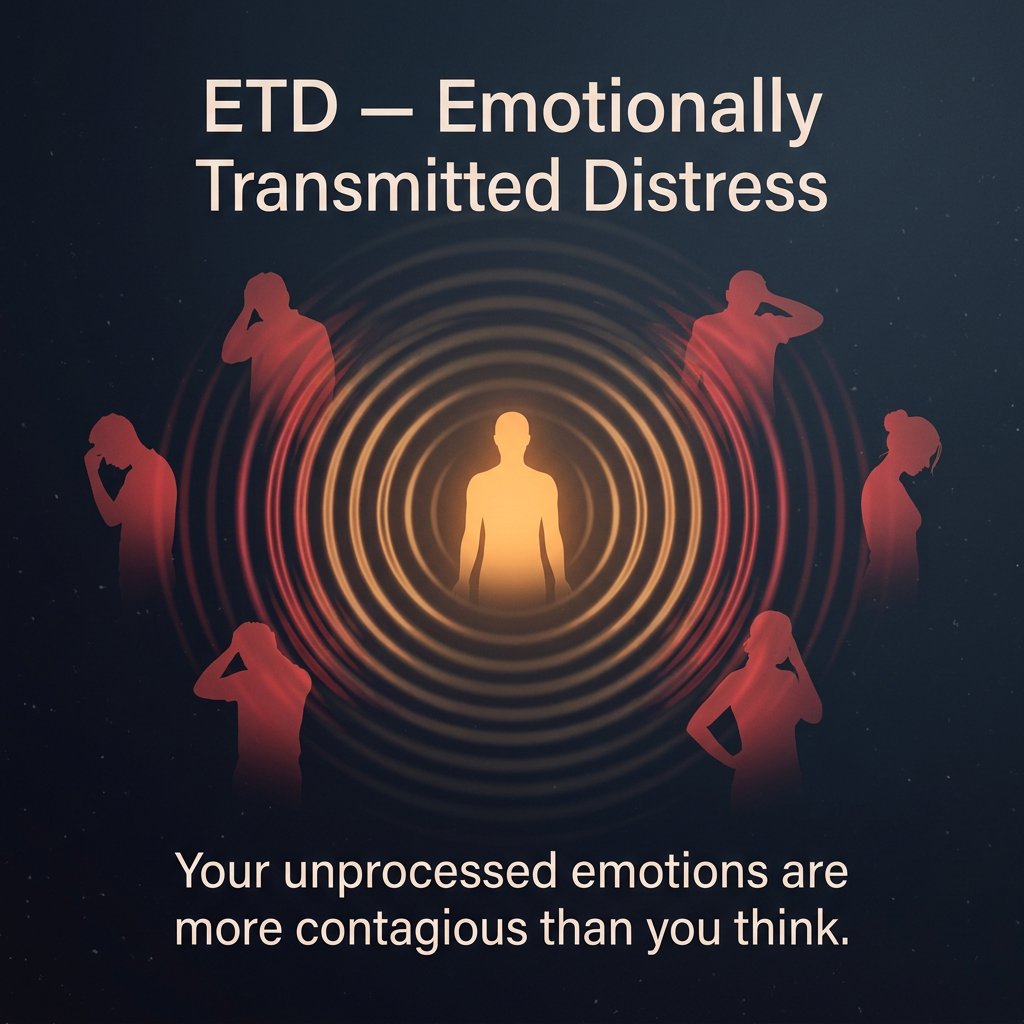
At its core, moral injury emerges when an experience collides with our understanding of ourselves, other people, or the world. Something occurs that does not fit neatly into the story we have been carrying. The mind is left holding two truths that seem impossible to reconcile.

A parent can love their child deeply and still cause harm.

A good person can make a terrible decision.

Someone can act courageously and still feel ashamed.

A person can do everything they know to do and still experience loss.

Life is full of contradictions. The problem is that many of us were never taught how to hold them.

The Unintegrated Mind Wants Certainty

An unintegrated mind struggles to hold complexity.

Instead, it seeks certainty.

It wants clear categories:

  • Good or bad

  • Right or wrong

  • Hero or villain

  • Success or failure

  • Innocent or guilty

These categories help us feel safe. They simplify a complicated world and reduce uncertainty.

When life fits neatly into those categories, everything seems manageable.

But eventually reality refuses to cooperate.

Most meaningful human experiences contain contradiction.

Relationships contain both love and disappointment.

Families contain both care and pain.

Communities contain both belonging and conflict.

Growth requires both gaining and losing.

When an unintegrated mind encounters these realities, it often becomes stuck. Instead of integrating the experience, it tries to force the experience into an existing category.

The result is often shame, rigidity, self-condemnation, confusion, or emotional paralysis.

Moral Injury Is Often an Integration Problem

When people hear the term moral injury, they often imagine a person struggling with something they have done.

While that can certainly be true, moral injury can emerge whenever a person's understanding of the world is shattered.

A healthcare worker may be unable to save someone despite doing everything possible.

A parent may realize that their own upbringing affected how they raised their children.

A religious person may encounter information that challenges long-held beliefs.

A soldier may witness situations that do not fit simplistic ideas of right and wrong.

A survivor may discover that the people who hurt them were not entirely monsters, but deeply flawed human beings.

These experiences create tension because they require the mind to expand.

The old story no longer works.

The mind must learn to hold more complexity than it could before.

Healing Requires More Than Answers

Many people attempt to heal moral injury by finding the "correct" answer.

They search for certainty.

They try to determine who was right, who was wrong, what should have happened, or how things could have been different.

Sometimes those questions matter.

But often healing comes from a different place.

Healing occurs when the mind becomes capable of holding complexity without collapsing.

It learns to tolerate ambiguity.

It develops flexibility.

It allows multiple truths to exist at the same time.

This does not mean abandoning values.

It does not mean everything is relative.

It means recognizing that reality is often more complicated than our original understanding.

Integration Expands the Mind

An integrated mind is not a mind that has all the answers.

It is a mind that can tolerate not having them.

It can hold grief without becoming hopeless.

It can acknowledge mistakes without becoming worthless.

It can recognize goodness without denying harm.

It can encounter uncertainty without demanding immediate certainty.

As integration develops, the need for rigid categories begins to soften.

The world becomes less black-and-white and more nuanced.

That can feel uncomfortable at first. Certainty is reassuring. Complexity can feel disorienting.

But complexity is also where wisdom lives.

Many forms of suffering begin when reality refuses to fit our existing framework.

Many forms of healing begin when we allow the framework itself to grow.

Moral injury is often not a sign that something is wrong with us.

It may be evidence that our minds are being asked to become larger than they were before.

And while that process is rarely comfortable, it is often the very path through which deeper integration becomes possible.

Read More
Emily Williams Emily Williams

The Unintegrated Mind: ETDs and the Contagion of Emotional Distress

Have you ever left a conversation feeling emotionally exhausted and wondered what just happened? In this article, we explore emotional contagion through the lens of the Unintegrated Mind and why the emotions we don't process often find their way into our relationships. What we don't integrate, we often transmit.
I have a theory.

I think most of us have spread an ETD at some point.

And no, I'm not talking about STDs.

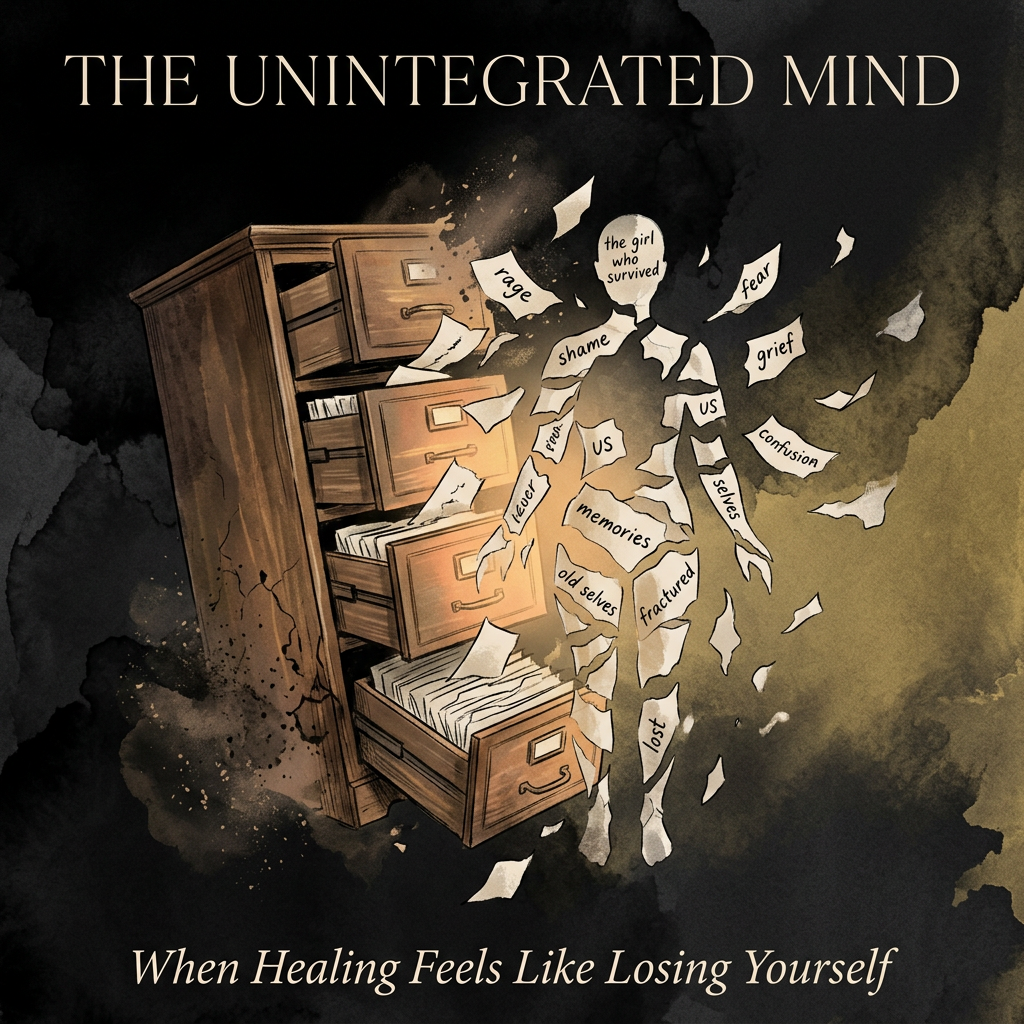
I'm talking about Emotionally Transmitted Distress.

Before you roll your eyes, hear me out.

Have you ever had a terrible day and somehow everyone around you ended up having a terrible day too?

Have you ever walked into a room anxious and watched the entire mood of the room shift?

Have you ever left a conversation feeling significantly better while the other person looked emotionally exhausted?

If so, you've witnessed an ETD.

The truth is that emotions are contagious.

Human beings are wired for connection. We constantly influence one another through our tone of voice, facial expressions, body language, and emotional state. Most of the time, we don't even realize it's happening.

But here's what interests me.

Not everyone spreads emotional distress to the same degree.

And I think the difference has a lot to do with integration.

The Unintegrated Mind

When I talk about the Unintegrated Mind, I'm describing a mind that struggles to fully process and organize experience.

Instead of recognizing emotions, understanding them, and responding intentionally, we can become overwhelmed by them.

The emotion starts driving the system.

When that happens, emotions often get expressed before they're understood.

They get discharged before they're processed.

They get transmitted before they're integrated.

The result?

An ETD.

What ETDs Look Like

Imagine someone carrying a tremendous amount of anxiety.

An integrated response might sound like:

"I'm feeling anxious today. I think I'm worried about a meeting this afternoon."

The person notices the emotion, names it, and communicates it clearly.

The anxiety becomes information.

An unintegrated response often looks different.

The anxiety leaks out.

It shows up as irritability.

Control.

Tension.

Catastrophic thinking.

Reassurance-seeking.

The person may not even realize they're anxious.

But everyone around them feels it.

The anxiety has been transmitted rather than processed.

The same thing can happen with anger.

Fear.

Shame.

Overwhelm.

Grief.

Unprocessed emotions have a tendency to look for somewhere to go.

And often, they go into relationships.

This Isn't About Blame

Let's be clear.

This isn't about criticizing people.

It's not about telling people to keep their emotions to themselves.

Healthy vulnerability is not an ETD.

Healthy vulnerability sounds like:

"I'm struggling."

"I need support."

"Can we talk?"

Healthy vulnerability creates connection.

It involves awareness.

Ownership.

Responsibility.

An ETD happens when we unknowingly hand someone an emotional burden that we haven't yet recognized or processed ourselves.

And if we're being honest, we've all done it.

Connection Instead of Contagion

The goal isn't emotional perfection.

The goal isn't to stop having emotions.

The goal is awareness.

The more integrated we become, the more likely we are to recognize our emotions before unconsciously spreading them.

Instead of transmitting distress, we communicate experience.

Instead of discharging emotions, we understand them.

Instead of spreading overwhelm, we create connection.

Because emotions are contagious.

But awareness is contagious too.

And I think the world could use a little more of that.

Read More
Emily Williams Emily Williams

The Unintegrated Mind: When Healing Feels Like Losing Yourself

What happens when being the one who struggles becomes part of your identity? Explore how the Unintegrated Mind can mistake pain for self and why healing can sometimes feel like losing yourself.

Most people assume that getting better should feel good.

And sometimes it does.

But there is a part of healing that doesn't get talked about nearly enough.

Sometimes healing feels a lot like grief.

Not because you're losing something bad.

Because you're losing something familiar.

I've worked with many people who desperately wanted things to change. They were exhausted from anxiety, depression, trauma, relationship chaos, self-doubt, or emotional overwhelm. They wanted relief.

But as they started making progress, something unexpected happened.

They got scared.

Not of getting worse.

Of getting better.

The question underneath it often sounds something like this:

Who am I if I'm not the anxious one anymore?

Who am I if I'm not struggling?

Who am I if my trauma isn't the center of my story?

Most people don't say these things out loud. Sometimes they aren't even fully aware they're asking them.

But the fear is there.

Because over time, pain has a way of becoming part of how we understand ourselves.

At first, suffering is just something we experience.

Then it becomes something we expect.

Then, without realizing it, it can become part of our identity.

Not intentionally.

Not because we want it to.

Just because it has been there for so long.

I've seen people who have spent years introducing themselves through their struggles.

The anxious one.

The depressed one.

The one with the difficult childhood.

The one who can't trust.

The one who always falls apart.

The one who is too much.

The one who isn't enough.

The struggle becomes the lens through which they see themselves.

And eventually, it can become difficult to imagine who they would be without it.

This is one of the things I mean when I talk about the unintegrated mind.

An unintegrated mind tends to mistake one part of our experience for the whole story.

A painful experience becomes an identity.

A wound becomes a definition.

A chapter becomes the entire book.

The problem isn't that the suffering isn't real.

The problem is that it becomes the only thing we can see.

The integrated mind does something different.

It recognizes that our pain is real without allowing it to become our entire identity.

It can hold more than one truth at a time.

I am struggling, and I am resilient.

I am hurting, and I am growing.

I have experienced trauma, and I am more than what happened to me.

I feel anxious, and there are many other things that are true about me.

The integrated mind makes room for complexity.

The unintegrated mind searches for certainty.

And honestly, there is a strange certainty in suffering.

If you've spent years being "the struggling one," you know who you are.

People know what to expect from you.

You know what to expect from yourself.

There is an identity there.

There is familiarity there.

There is even safety there.

So when healing begins, it doesn't just challenge symptoms.

It challenges the story you've been telling yourself about who you are.

And that can feel unsettling.

It can feel like standing in an empty room after carrying something heavy for so long that you've forgotten what it feels like to put it down.

The weight was painful.

But it was also familiar.

The goal of healing isn't to pretend the pain never existed.

The goal isn't to erase the parts of you that have struggled.

The goal is to stop letting those parts carry the entire burden of defining who you are.

You are not your anxiety.

You are not your depression.

You are not your trauma.

You are not your diagnosis.

Those experiences matter.

They have shaped you.

They deserve compassion and attention.

But they are not the entirety of you.

Healing isn't about becoming someone else.

It's about discovering that you were always more than the part that hurt.

Read More
Emily Williams Emily Williams

The Trauma of Silence in the Unintegrated Mind

Learn how psychological silence, shame, and trauma can create emotional disconnection—and how healing occurs through integration and self-compassion.

How Shame, Adaptation, and Survival Create the Unintegrated Mind

When I talk about the trauma of silence, I'm not talking about the inability to speak.

I'm talking about something much more subtle.

I'm talking about the psychological silence that develops when parts of ourselves learn they are safer hidden than expressed.

Most people think of trauma as something that happened.

An accident. A loss. A betrayal. A frightening experience.

But in my work, I've become increasingly interested in what happens next.

What emotions become too difficult to feel?

What needs become too risky to acknowledge?

What parts of ourselves learn to go quiet in order to maintain connection, belonging, or safety?

Because trauma isn't only about what overwhelms us.

It's also about what we learn to suppress.

The Parts of Ourselves That Go Quiet

Children are remarkably adaptive.

Long before they understand psychology, attachment, or trauma, they are learning about relationships.

They are learning what gets attention.

What creates conflict.

What disappoints others.

What earns approval.

What threatens connection.

Some children learn that sadness is inconvenient.

Some learn that anger is unacceptable.

Some learn that fear is weakness.

Others learn that needing help is a burden.

The lesson is rarely spoken directly.

It is learned through experience.

And over time, certain emotions, needs, and parts of the self become quieter and quieter.

Not because they disappear.

Because they no longer feel safe.

Silence as a Survival Strategy

One of the greatest misconceptions about trauma is the idea that people consciously choose these patterns.

Most don't.

The nervous system is constantly making decisions about safety.

If expressing sadness repeatedly leads to dismissal, sadness becomes harder to access.

If expressing needs repeatedly leads to disappointment, needs become easier to ignore.

If vulnerability repeatedly creates discomfort or rejection, vulnerability begins to feel dangerous.

Eventually, silence becomes automatic.

Not silence with other people.

Silence within ourselves.

People often arrive in therapy believing they don't know what they feel.

They don't know what they need.

They don't know what they want.

What I often see is something different.

They knew once.

But those parts of themselves learned to go quiet.

Where Shame Takes Root

Shame grows in the spaces where understanding is absent.

When difficult experiences are acknowledged and processed, they become part of our story.

When they remain hidden, they often become part of our identity.

Instead of thinking:

"Something painful happened to me."

People begin thinking:

"Something must be wrong with me."

This is the tragedy of psychological silence.

The original experience becomes buried, but the conclusions remain.

Over time, people organize their lives around avoiding the emotions they were never allowed to fully process.

Perfectionism becomes protection.

People-pleasing becomes protection.

Emotional numbness becomes protection.

Hyper-independence becomes protection.

Control becomes protection.

These adaptations make sense.

The problem is that what protects us from pain can also prevent us from healing.

The Unintegrated Mind

At Upstate Integrative Mind, we view healing through the lens of integration.

An integrated mind is one in which thoughts, emotions, memories, body sensations, and experiences can exist together without becoming overwhelming.

Trauma often disrupts that process.

Parts of our experience become disconnected.

We may remember events without feeling them.

We may feel emotions without understanding them.

We may carry tension, anxiety, or distress in the body without knowing where it came from.

The mind isn't broken.

It's organized around survival.

The unintegrated mind is often a reflection of the parts of ourselves that had to become quiet in order to cope.

Healing Beyond Silence

Healing is not about forcing ourselves to share every painful experience.

Nor is it about judging ourselves for the ways we adapted.

Healing begins with curiosity.

What emotions have I learned to avoid?

What needs have I learned to dismiss?

What parts of myself have been carrying the burden of staying quiet?

Through approaches such as EMDR, Deep Brain Reorienting, the Safe and Sound Protocol, Schema Therapy, DBT, and RO-DBT, individuals can begin reconnecting with the emotions, experiences, and parts of themselves that have been pushed outside of awareness.

Not to relive the past.

But to become more whole in the present.

Finding Our Way Back

I don't believe the opposite of psychological silence is talking.

I believe the opposite of psychological silence is integration.

It's the ability to recognize our emotions without being overwhelmed by them.

To acknowledge our needs without judging them.

To understand our adaptations without being defined by them.

To bring compassion to the parts of ourselves that learned to go quiet.

Healing doesn't happen because those parts disappear.

Healing happens because they no longer have to remain hidden.

And that is often where an integrated life begins.

Read More
Emily Williams Emily Williams

Understanding Attachment, Relational Trauma, and the Parts of Ourselves That Do Not Fully Integrate

Discover how attachment wounds, relational trauma, and protective adaptations shape the way we think, feel, and connect. Learn how different parts of the self develop in response to stress, trauma, and relationships—and how healing supports greater regulation, integration, and emotional well-being.

Many of the struggles people carry are not simply about what happened to them, but about how the mind and nervous system adapted in response.

Human beings are wired for connection. From early in life, we learn about safety, closeness, vulnerability, and protection through our relationships. When those experiences are steady and supportive enough, different aspects of the self are more likely to develop in a coordinated way. Thoughts, emotions, body responses, and relational expectations are able to work together with greater flexibility and coherence. A person may still face stress or pain, but there is often a stronger sense of continuity within themselves.

When relationships are painful, inconsistent, overwhelming, or marked by chronic stress, the system often adapts differently. Instead of organizing around connection and integration, it begins organizing around protection. In this process, different aspects of the self may begin to carry different roles, emotions, memories, and survival strategies. These parts are not signs of weakness. They are often the mind’s best effort to manage what felt too much, too confusing, or too unsafe to hold all at once.

For some, one part becomes highly focused on functioning. It may organize around achievement, responsibility, control, or keeping everything together. Another part may carry fear, grief, longing, or unmet attachment needs. Another may avoid closeness, vulnerability, or emotional intensity altogether. Another may become rigid, perfectionistic, or overcontrolled in an effort to prevent further pain, chaos, or disappointment. These different aspects of the self can exist side by side for years without fully working together, leaving a person feeling internally divided, stuck, or confused by their own reactions.

Trauma memories can deepen this sense of division. Rather than becoming integrated into the larger story of a person’s life, certain experiences may remain emotionally charged, body-based, or disconnected from ordinary awareness. A person may know something happened, but not feel fully connected to it. Or they may feel intense activation, shutdown, or avoidance without understanding why. In these cases, trauma is not only remembered as an event. It is carried as a state of alarm, tension, disconnection, or protection that continues to shape the present.

This is often where relational patterns begin to make more sense. A person may long for closeness while also fearing it. They may want reassurance but struggle to trust it once it is offered. They may appear calm, competent, and self-contained externally while feeling pressured, lonely, or disconnected internally. They may move between emotional overwhelm and emotional inhibition, between pursuing connection and pulling away from it. These are not random contradictions. They are often signs that different parts of the self are operating from different experiences, different beliefs, and different protective needs.

Avoidant attachment can be understood through this lens. It is not simply a lack of interest in closeness. More often, it reflects a protective adaptation in which emotional distance, self-reliance, and restraint feel safer than vulnerability, dependence, or need. Overcontrol can serve a similar purpose. Rigidity, perfectionism, and emotional inhibition may develop as ways to prevent uncertainty, pain, or relational exposure. At the same time, other parts of the self may still carry a deep longing for closeness, rest, softness, or care. When these internal positions become polarized, life can start to feel like an ongoing tug-of-war between competing needs.

Relational trauma often amplifies this polarization. If closeness has been associated with unpredictability, invalidation, or pain, the nervous system may not know how to relax into connection. Some parts may move toward others in search of safety or repair. Other parts may pull back, brace, or shut down in anticipation of disappointment or hurt. Still others may try to manage relationships through caretaking, overfunctioning, emotional suppression, or high standards. Over time, this can leave a person feeling as though they are never fully settled, either in relationships or within themselves.

From this perspective, healing is not about forcing these parts to disappear. It is not about deciding that one part is the problem while another part is the answer. It is about helping the system become more understandable, more compassionate, and more connected. When people begin to recognize that their internal conflicts often reflect adaptations rather than failures, something important shifts. They are often able to approach themselves with more curiosity and less shame.

Therapy can help create the conditions for this kind of integration. It can support regulation so that overwhelming emotions and body states become more manageable. It can help people identify the patterns that shaped them and understand how those patterns continue to influence current relationships. It can also help trauma memories that remain emotionally or physiologically stuck begin to process in ways that allow them to take their place in the past, rather than continuing to dominate the present.

Over time, the parts of the self that once felt polarized may begin to soften in relation to one another. The overcontrolled parts may not have to work so hard. The avoidant parts may begin to feel safer approaching connection. The overwhelmed parts may no longer have to carry so much alone. A person may find that they can hold more complexity without becoming divided by it. They may feel more present with themselves, more trusting of their internal experience, and more flexible in the face of relational stress.

Attachment patterns, protective strategies, and trauma responses are not fixed identities. They are adaptive organizations of the self that can change when the right support, safety, and understanding are present. Healing often begins not by trying to become someone else, but by helping the different aspects of who we already are come into greater relationship, regulation, and integration.

At its heart, this work is about becoming more connected within ourselves so that we can live, relate, and respond with greater steadiness, authenticity, and freedom.

Read More
Emily Williams Emily Williams

What is an Integrated Mind?

What is an integrated mind? Learn how thoughts, emotions, body responses, and sense of self work together to create greater emotional regulation, resilience, and connection. Discover how trauma, stress, and life experiences affect integration and how healing supports a more balanced and flexible mind.
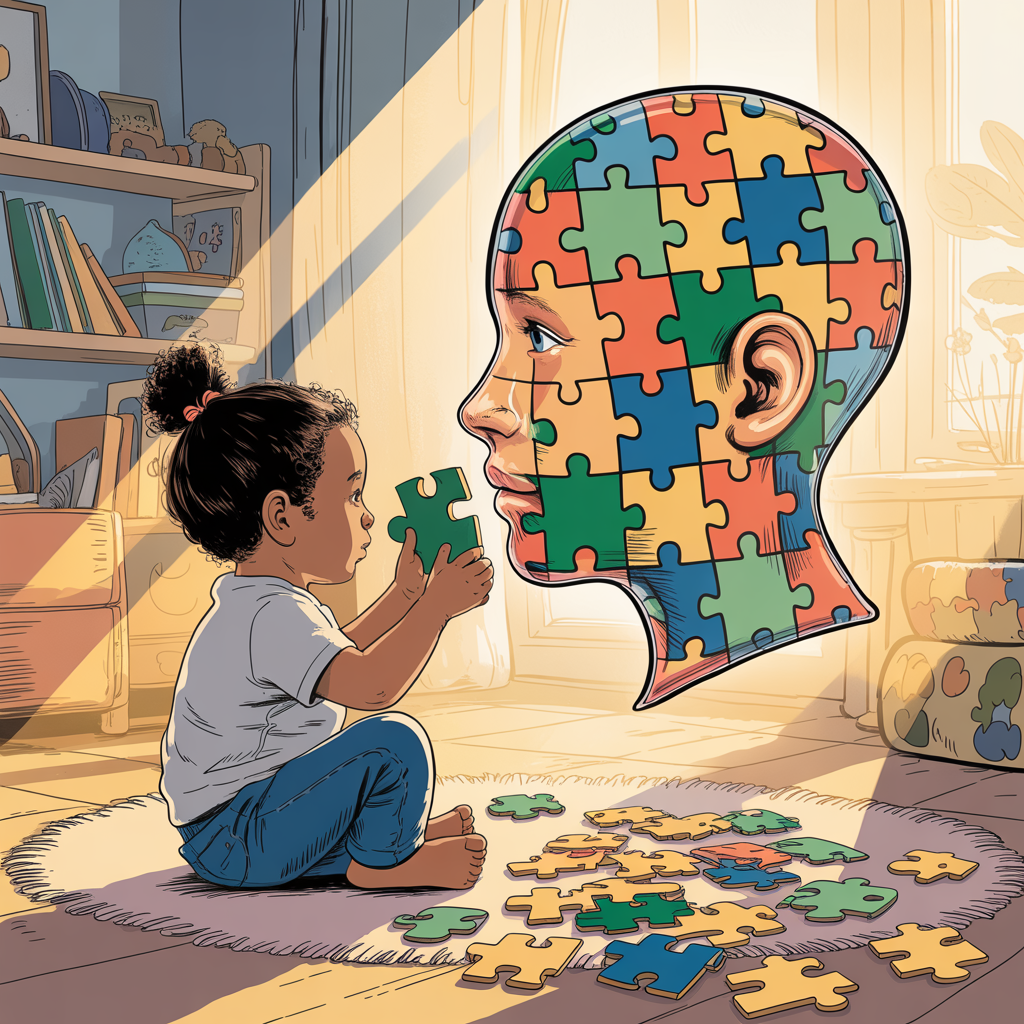
An integrated mind is one in which thoughts, emotions, body responses, and sense of self are able to work together rather than against each other. There is a felt sense of continuity, across moments, across relationships, and within oneself, even in the presence of stress. This doesn’t mean the absence of distress, but rather the capacity to remain connected, flexible, and responsive instead of overwhelmed, shut down, or pulled into rigid patterns.

The mind does not begin this way automatically. Integration develops over time through relationships, safety, and experience. When conditions are supportive, the brain and nervous system learn to coordinate emotional, cognitive, and physiological processes. However, when someone is exposed to chronic stress, trauma, inconsistent caregiving, or biological vulnerabilities, the system adapts in ways that prioritize survival over integration.

From a scientific perspective, these adaptations can involve changes in how different parts of the brain communicate, particularly between areas involved in threat detection, emotional processing, and higher-order regulation. The nervous system may become more reactive, more inhibited, or more divided in its responses. In some cases, experiences are not fully processed and remain stored in ways that continue to influence present-day reactions. This can also contribute to a more compartmentalized internal experience, where different parts of the self hold different emotions, beliefs, or roles.

These adaptations are not signs of something “wrong,” but rather intelligent responses to difficult conditions. The mind organizes itself in the best way it can to protect, manage overwhelm, and maintain functioning. This may look like heightened emotional reactivity, chronic anxiety, shutdown or numbness, overcontrol and perfectionism, or a sense of internal conflict or disconnection.

Therapy focused on integration is not about eliminating these responses, but about understanding them, supporting the nervous system, and helping different aspects of the self come into greater coordination. Over time, this allows for more flexibility, stability, and a deeper sense of connection to oneself, to others, and to the present moment.

Read More
Emily Williams Emily Williams

How a Divided Mind Protected Us Then, But Not Now.

Why does the mind develop dissociation, avoidance, internal conflict, and emotional shutdown? Explore how trauma, chronic stress, and attachment wounds shape the unintegrated mind, and learn why these protective adaptations once helped us survive but may now be keeping us stuck.
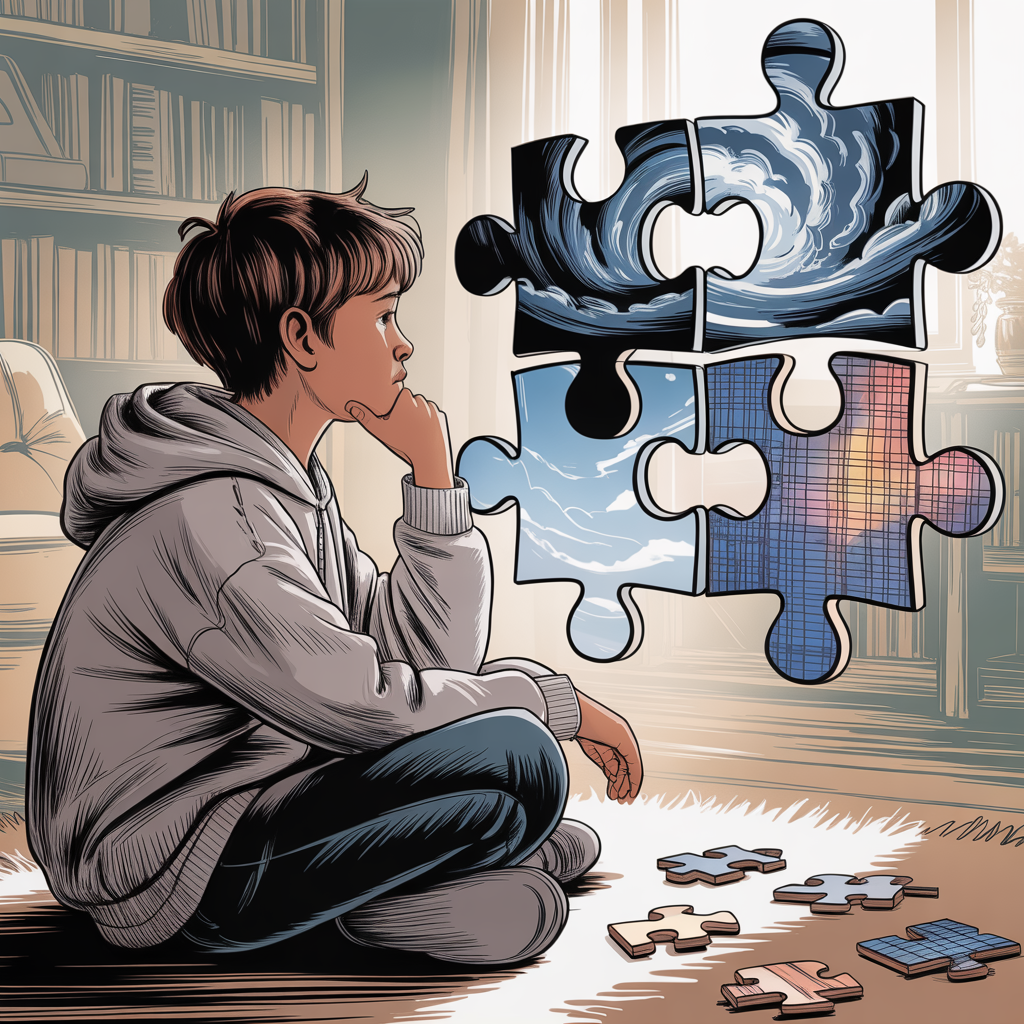
Most people think of the mind as a single, unified self. In reality, the mind is better understood as a living system made up of many processes that usually work together to help us think, feel, relate, and respond to the world. When these processes are coordinated, we tend to experience a greater sense of continuity within ourselves. We can feel emotions without being overtaken by them, reflect on our experiences, and respond in ways that feel more grounded and intentional. This is what it means to have an integrated mind. It does not mean feeling calm all the time or never struggling. It means there is enough connection inside that different parts of our experience can work together.

The mind, however, is designed to protect before it is designed to integrate. When life feels safe enough, integration can develop over time through relationships, experience, and nervous system regulation. When life becomes overwhelming, confusing, frightening, or chronically stressful, the mind shifts its priorities. Instead of organizing around coherence, it begins organizing around survival. The goal becomes reducing overwhelm, staying functional, and getting through whatever feels too much to hold. This is where the mind’s protective brilliance begins to show itself.

When experiences are manageable, they tend to move through us. We can feel them, understand them, and eventually place them in the larger story of our lives. When experiences are too intense, too chronic, or too painful, they may not fully process in the same way. Instead, they can remain somewhat unresolved in the nervous system, in emotional memory, or in different aspects of the self. A person may then find that certain emotions, reactions, or patterns seem to arise suddenly or feel disproportionate to the present moment. This does not necessarily mean something is wrong. It often means something has not yet had the chance to be fully integrated.

One of the most common ways the mind protects itself is through dissociation. Dissociation creates distance from what feels overwhelming. For some people, this may look like numbness, spacing out, feeling unreal, going on autopilot, or losing connection with emotions and the present moment. In many cases, dissociation is not dramatic. It can be subtle and woven into daily life. It is the mind’s way of saying that what is happening feels too much to hold all at once, so some space must be created. In the short term, this can be incredibly adaptive. It allows a person to keep functioning when the alternative might be total collapse. Over time, though, dissociation can leave someone feeling disconnected from themselves, their body, their memories, or the people around them.

Another way the mind becomes less integrated is through polarization. This is the experience of feeling torn between different inner positions, needs, or impulses. One part of a person may long for closeness while another pulls away. One part may push for perfection and control while another feels exhausted, resentful, or shut down. One part may want to move forward while another feels frozen in fear. These inner conflicts can be deeply frustrating, especially when a person knows what they want but cannot seem to move in that direction consistently. Yet these conflicts often make more sense when understood as different aspects of the self trying to solve different problems. One part may be oriented toward connection, growth, or vulnerability, while another is organized around protection, control, or retreat. Without integration, these parts can feel like they are working against each other.

Internal conflict often grows from this same process. Many people describe it as knowing something intellectually but being unable to follow through emotionally. They may say that part of them wants one thing and part of them wants another. They may feel stuck, confused, or ashamed that insight alone does not create change. This kind of internal conflict is not usually a sign of laziness or lack of effort. More often, it reflects a mind that has adapted by dividing tasks across different internal systems. Some parts hold fear, some hold hope, some hold anger, some hold grief, and some work very hard to keep everything contained. When those systems are not yet connected, the person may feel fragmented or inconsistent, even though there is often a great deal of logic underneath the surface.

Avoidance is another important part of how the mind adapts. Trauma avoidance is not simply refusal or resistance. It is often a deeply intelligent effort to stay away from what feels too overwhelming, destabilizing, or unresolved. A person may avoid certain thoughts, emotions, memories, places, conversations, or forms of closeness. They may stay busy, become highly productive, disconnect from the body, or shift quickly away from anything that feels too vulnerable. From the outside, avoidance can sometimes look frustrating or self-defeating. From the inside, it is often the mind’s best attempt to prevent re-experiencing something that does not yet feel safe enough to process.

Dissociation, polarization, internal conflict, and avoidance are all different expressions of the same core reality. The mind is trying to protect itself when integration is not yet possible. These responses are not random. They are meaningful adaptations to adverse experiences, chronic stress, attachment injuries, or environments in which a person had to prioritize safety over wholeness. In many cases, these patterns begin early and become deeply embedded over time. They can shape how a person relates to emotion, how they connect with others, how they respond to stress, and how they experience themselves.

This is one reason an unintegrated mind can feel so confusing. A person may look functional on the outside while feeling divided on the inside. They may have moments of clarity followed by moments of shutdown. They may deeply want connection but become flooded or distant when it begins to feel real. They may move between overwhelm and numbness, between self-criticism and avoidance, between striving and collapse. None of this means the person is broken. It means the mind has been working very hard to manage competing demands with the tools it developed under pressure.

Healing is not about forcing all of this to disappear. It is not about getting rid of the parts of the self that learned to survive. It is about understanding these adaptations with compassion and helping the system become more connected over time. As safety increases, the nervous system no longer has to work so hard to keep things apart. What has been avoided can begin to be approached gently. What has been split off can begin to be known. What has felt polarized can begin to come into relationship. Integration is not a sudden event but a gradual process of building more communication, coordination, and trust within the self.

Over time, a person can begin to feel more whole. Emotions become easier to tolerate. Internal conflict softens. Relationships may feel less threatening or confusing. The body can become a place of greater presence rather than only alarm or shutdown. A person may still have difficult moments, but those moments no longer define the entire system. There is more flexibility, more choice, and more continuity from one state to another.

Perhaps the most important thing to understand is that an unintegrated mind is not a failed mind. It is an adaptive mind. It is a mind that did what it needed to do to survive. The patterns that now feel frustrating or painful often began as intelligent solutions to difficult conditions. When those patterns are met with care instead of shame, they can begin to shift. Integration becomes possible not through force, but through safety, understanding, and the slow rebuilding of connection within.

Read More
Emily Williams Emily Williams

Integrate. Regulate. Elevate.

At Upstate Integrative Mind Counseling, we believe healing happens through integration, regulation, and growth. Learn how trauma-informed therapies such as EMDR, DBT, RO-DBT, Deep Brain Reorienting, Schema Therapy, and Ketamine-Assisted Psychotherapy help people move from survival toward greater connection, resilience, and well-being.

There comes a point in many people’s lives when they begin to realize that insight alone is not enough.

They may understand their patterns. They may know where those patterns come from. They may be able to name the triggers, the defenses, the overwhelm, the shutdown, or the way they keep repeating the same relational cycle. And yet, even with all that awareness, something still does not fully shift.

Part of them wants to move forward. Another part is hesitant, fearful, or exhausted. They find themselves pulled in different directions internally, wanting change but feeling stuck in old ways of responding. This is often where deeper healing begins.

At Upstate Integrative Mind Counseling, our work is captured in three simple words: Integrate. Regulate. Elevate.

These words are more than a slogan. They reflect a way of understanding how healing happens. They speak to the process of bringing the self into greater wholeness, creating more stability in the nervous system, and making space for a more connected, meaningful way of living.

Integrate

An integrated mind is not a perfect mind. It is not a mind without pain, conflict, or vulnerability. It is a mind in which different parts of experience can work together with greater coordination and less internal struggle.

For many people, this is not how life feels at first. Instead, there may be a sense of fragmentation, internal conflict, or feeling like different parts of the self are carrying different burdens. One part may be highly competent, driven, and controlled. Another part may feel overwhelmed, emotional, or easily flooded. Another may shut down, disconnect, or avoid altogether. These patterns are not random. They are often adaptive responses to stress, attachment wounds, or trauma.

Structural dissociation helps us understand how the mind can become organized around survival. When difficult experiences are too much to fully process, different parts of the self may hold different emotions, memories, or roles. One part may focus on functioning and getting through the day. Another may carry fear, grief, anger, or pain that has not yet had space to be fully integrated. This can leave a person feeling divided inside, even when they appear capable on the outside.

Schema therapy adds another layer of understanding. Many people carry longstanding emotional themes that shape how they see themselves, others, and the world. These themes often develop early and continue to influence present-day relationships, reactions, and coping patterns. A person may find themselves repeatedly feeling not good enough, too responsible, abandoned, unseen, or unsafe. These are not simply thoughts. They are deeply lived patterns that organize emotional experience.

Integration begins when these patterns are approached with understanding rather than judgment. Instead of trying to get rid of parts of the self, the work becomes helping those parts come into better relationship with one another. It becomes possible to understand why one part pushes so hard, why another shuts down, and why another is afraid to trust. Over time, what once felt divided can begin to feel more connected, more coherent, and more whole.

EMDR and Deep Brain Reorienting can also support this process. EMDR helps the brain reprocess experiences that remain emotionally charged or stuck. DBR works more deeply with the brain’s orienting and shock responses, often addressing trauma at a level beneath conscious narrative. Both approaches can help experiences that were never fully integrated begin to settle in a new way. The result is often not just symptom relief, but a greater sense of internal cohesion.

Regulate

Once a person begins to understand their inner world more clearly, the next task is often learning how to stay with that world without becoming overwhelmed by it.

Regulation is not about suppressing emotion or forcing calm. It is about creating enough stability that emotions, body sensations, and internal experiences can be felt without taking over completely. It is the capacity to remain present in the midst of discomfort and to return to a sense of steadiness more easily.

For some people, the struggle is emotional dysregulation. Emotions feel intense, fast, and difficult to manage. A person may feel overtaken by anxiety, sadness, anger, or shame and have trouble finding their way back to baseline. There may be impulsive reactions, a deep sense of overwhelm, or a feeling that emotions happen too quickly to make sense of them.

For others, the struggle is overcontrol. Emotions are tightly managed, restrained, or hidden. There may be perfectionism, rigidity, emotional inhibition, or a chronic sense of pressure beneath the surface. On the outside, things may look composed. On the inside, there may be loneliness, exhaustion, or a quiet sense of disconnection. Not all dysregulation looks chaotic. Sometimes it looks like being too controlled for too long.

This is where DBT and RO-DBT become especially important. Dialectical Behavior Therapy helps clients build practical skills for emotion regulation, distress tolerance, mindfulness, and interpersonal effectiveness. It helps people create more space between feeling and reacting. It offers structure and support for moments that might otherwise feel unmanageable.

Radically Open DBT speaks to a different kind of suffering. It helps address overcontrol by supporting openness, flexibility, emotional expression, and social connectedness. It is especially helpful for people who have learned to survive by staying highly controlled, self-reliant, and guarded. In these cases, regulation is not about increasing control. It is about loosening it enough to allow for connection, spontaneity, and authenticity.

Regulation is also supported through trauma-focused work. When trauma lives in the nervous system, a person may react to present-day experiences as if danger is still near. DBR and EMDR can help the body and brain process what has remained unresolved so that regulation becomes more possible. As the nervous system begins to feel safer, a person often notices they are less reactive, less shut down, and more able to stay present with themselves and others.

Regulation creates the conditions for change. Without it, insight can remain intellectual. With it, healing becomes embodied.

Elevate

Elevation is not about becoming someone different. It is about becoming more fully yourself.

When the mind becomes more integrated and the nervous system more regulated, there is often a noticeable shift. The person who once felt driven by survival begins to experience more choice. Old patterns no longer have quite the same hold. There is more room for curiosity, connection, creativity, and meaning.

Elevation is what happens when healing begins to move beyond symptom management and into a fuller experience of living. It is not about perfection or arriving at a final version of oneself. It is about living with more flexibility, more authenticity, and more access to the parts of life that may have felt out of reach for a long time.

For some people, this means feeling more connected in relationships. For others, it means experiencing less internal conflict. For others, it means finally being able to access grief, joy, vulnerability, or rest in a way that once felt impossible. It may also mean stepping out of rigid survival roles and into a more grounded sense of identity.

Ketamine-assisted psychotherapy can be part of this process for some individuals. When used thoughtfully within a structured therapeutic framework, it can help soften rigid patterns, reduce symptom intensity, and create space for new emotional experiences and insights. It does not replace the work of therapy, but it can support movement when a person feels deeply stuck. For some, it opens a door that allows healing to deepen in ways that were previously difficult to access.

Elevation is not about bypassing pain. It is about developing the capacity to move through life with more openness and less fear. It is about becoming less organized around protection and more organized around connection, purpose, and possibility.

Bringing It All Together

Healing is rarely linear. It does not happen in neat steps, and it does not look the same for every person. Sometimes integration comes first. Sometimes regulation is the first priority. Sometimes a person gets enough stability that deeper trauma work becomes possible. Sometimes a new level of openness reveals parts of the self that are ready to be understood more fully.

But again and again, the movement tends to follow a similar direction.

We begin by helping the mind become more integrated. We support the nervous system in becoming more regulated. And from there, people are often able to elevate into a life that feels more connected, more intentional, and more fully their own.

Integrate. Regulate. Elevate.

These words reflect what we believe about healing. They honor the reality that people are not broken. They are often carrying intelligent adaptations to difficult experiences. They remind us that meaningful change is possible when we approach the mind with depth, compassion, and the right support.

The goal is not to erase the past or force yourself into a new shape. The goal is to help the different parts of you come into greater harmony, to help your system feel safer and more supported, and to make room for a way of living that feels grounded, connected, and alive.

That is the heart of our work.

Read More
Emily Williams Emily Williams

Making an Integrative Mind an Integrative Life

True healing extends beyond therapy. Explore how an integrated mind, a regulated nervous system, supportive relationships, and intentional daily choices work together to create a life that feels more aligned, connected, and sustainable.

Integration and regulation are not just internal processes. They are meant to change how your life feels and how you move through the world.

As the mind becomes more integrated, there is less internal division. As the nervous system becomes more regulated, there is more stability and flexibility. But for that change to last, it has to extend beyond the therapy space and into the environments, relationships, and rhythms of daily life.

Healing does not happen in isolation. It takes root in the conditions that surround you.

In many ways, this work is less like fixing something and more like tending to something. The internal work creates the possibility for change, but the external world either supports that change or quietly pulls you back into familiar patterns.

This is where the next layer of the work begins.

It often starts with noticing. As people become more connected to themselves, they begin to see more clearly what feels aligned and what does not. Interactions that once felt normal may begin to feel draining or misattuned. Environments that once felt manageable may begin to feel overstimulating, constricting, or out of sync with who they are becoming.

This is not regression. It is awareness.

With that awareness comes the opportunity to make different choices. Not all at once, and not perfectly, but gradually and intentionally.

Sometimes this means creating more space from relationships that reinforce old patterns. It may mean setting boundaries where there were none before, or stepping back from dynamics that keep the nervous system in a constant state of activation or shutdown.

Sometimes it means building something new. This can look like developing routines that support stability, engaging in activities that create a sense of meaning or enjoyment, or exploring interests that were not previously accessible. It may be as simple as establishing a more consistent rhythm to the day, or as significant as redefining how time, energy, and attention are spent.

There is also a quieter layer to this work. It involves tending to the “soil” of your life. Paying attention to what you are regularly exposed to, how your environment feels, and what your system is taking in on a daily basis. Over time, these influences shape your internal state just as much as your internal work shapes your experience.

As integration deepens, people often find they are less willing to tolerate what is misaligned. As regulation strengthens, they are more able to make changes without becoming overwhelmed. This is where internal change begins to echo outward.

A more integrated and regulated mind does not just feel different. It begins to live differently.

This process is not about creating a perfect life. It is about creating a life that supports the version of you that is emerging. It is about aligning your external world with the internal work you are doing, so that your environment, relationships, and daily patterns reinforce growth rather than work against it.

Over time, this alignment becomes self-sustaining. The more your life supports your nervous system, the more your nervous system supports your life.

Read More