


Behind the Curtain, Part Fourteen: From Cast of Strangers to Ensemble: What Integration Actually Means in Dissociation Treatment
What does integration mean in dissociation treatment? Explore how parts can develop greater communication, shared awareness, continuity, and cooperation, without assuming healing means erasing parts of yourself.

Behind the Curtain, Part Thirteen: Building a Backstage Communication System: Learning to Communicate with Dissociative Parts
How do you communicate with dissociative parts? Explore how parts may communicate through thoughts, emotions, body sensations, urges, and images, and how listening can build cooperation without giving up present-day choice.
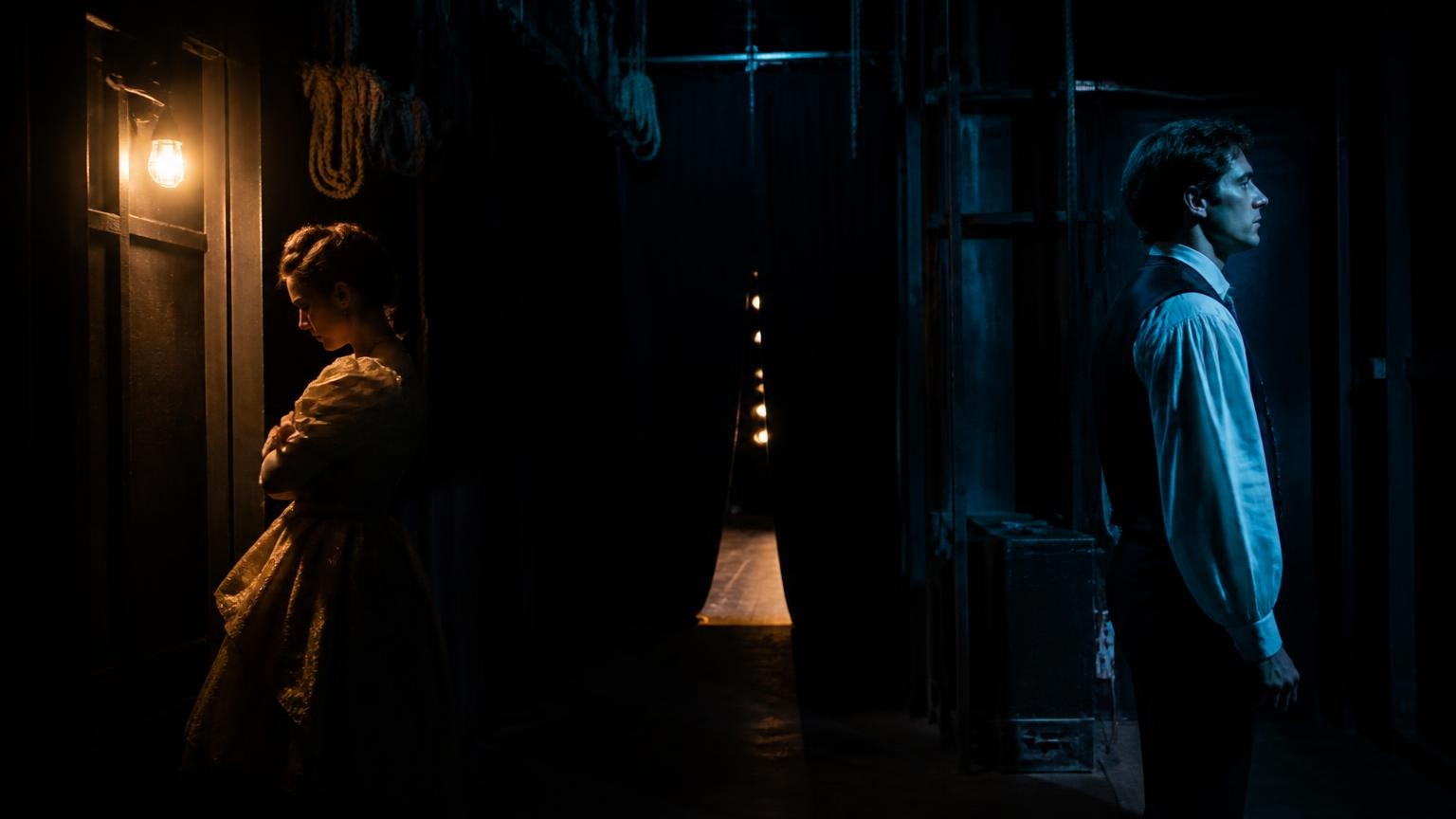
Behind the Curtain, Part Twelve: When the Cast Is Fighting Backstage. Understanding Conflict Between Dissociative Parts
Why do dissociative parts sometimes seem to fight each other? Explore internal conflict, protective parts, self-sabotage, competing survival strategies, and how greater communication can build cooperation and safety.

Behind the Curtain, Part Eleven: When the Past Thinks It Is Present. Understanding Trauma-Time, Triggers, and Present-Time Orientation in Dissociation
What is trauma-time in dissociation? Explore why parts may respond as though past danger is happening now, how triggers activate old survival responses, and how present-time orientation can help the past begin to feel like the past.

Behind the Curtain, Part Ten: Why the Curtain Exists. Understanding Dissociative Barriers and Why Parts May Remain Separated
Why do dissociative barriers develop? Explore how dissociation can separate memories, emotions, self-states, and present-day awareness, and how healing can build greater communication, connection, and safety without forcing the curtain open.

Behind the Curtain, Part Nine: I Don't Remember That Scene. Understanding Dissociative Amnesia, Memory Gaps, and Uneven Access to the Past
What is dissociative amnesia? Explore how trauma and dissociation can affect access to memories, create missing time or uneven recall, and why memory gaps don’t necessarily mean hidden trauma.

Behind the Curtain, Part Eight: When More Than One Part Can See the Stage. Understanding Co-Consciousness, Blending, and Shared Awareness in Dissociation
What are co-consciousness and blending in dissociation? Explore how multiple parts or self-states can share awareness, emotions, memories, and the stage and how greater internal connection can support choice, cooperation, and healing.
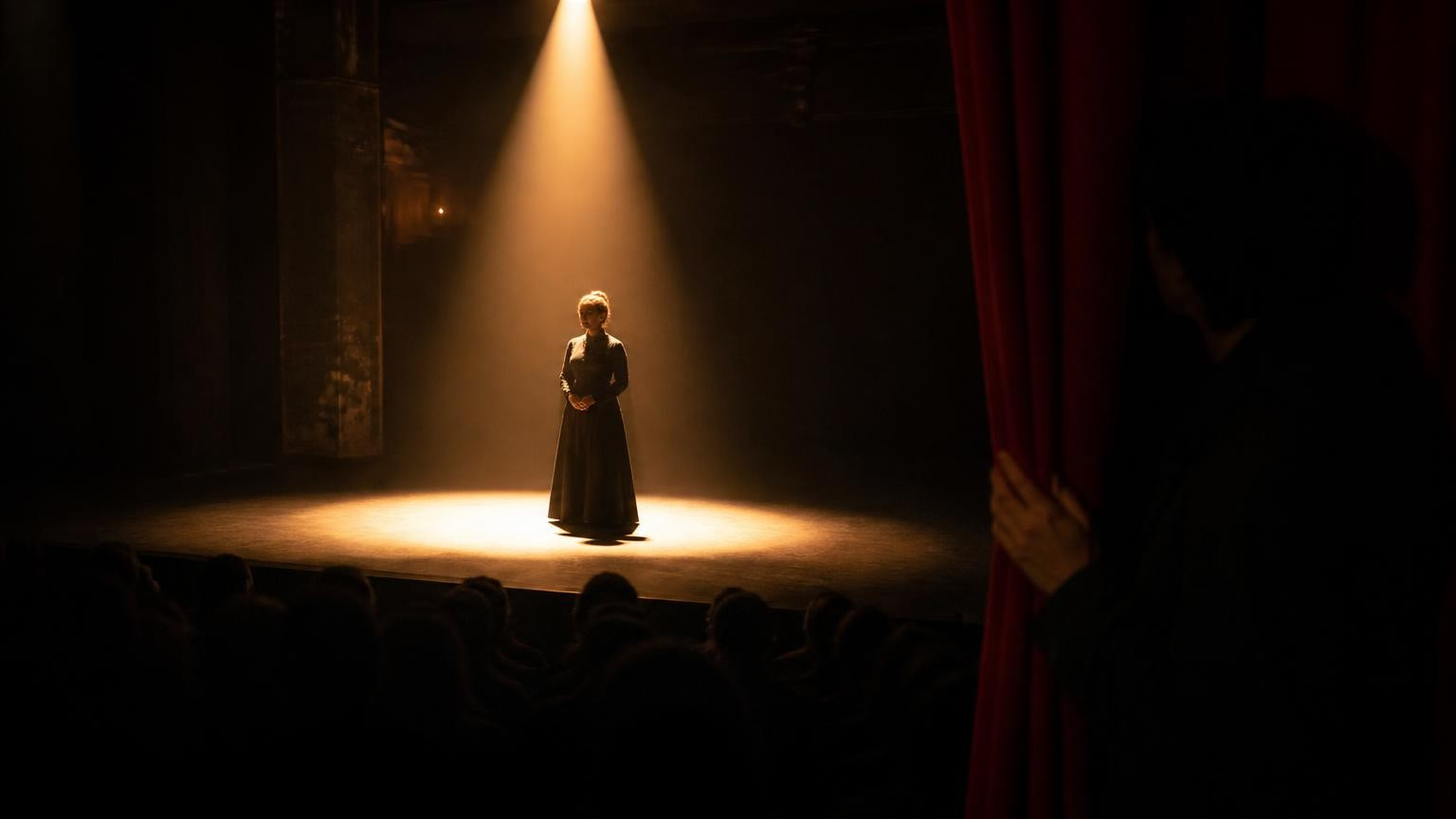
Behind the Curtain, Part Seven: Voices From the Wings. Understanding Passive Influence in Dissociative Parts
What is passive influence in dissociation? Explore how dissociative parts may affect thoughts, emotions, urges, body sensations, and behavior without fully taking over, and how greater awareness can support internal communication and choice.
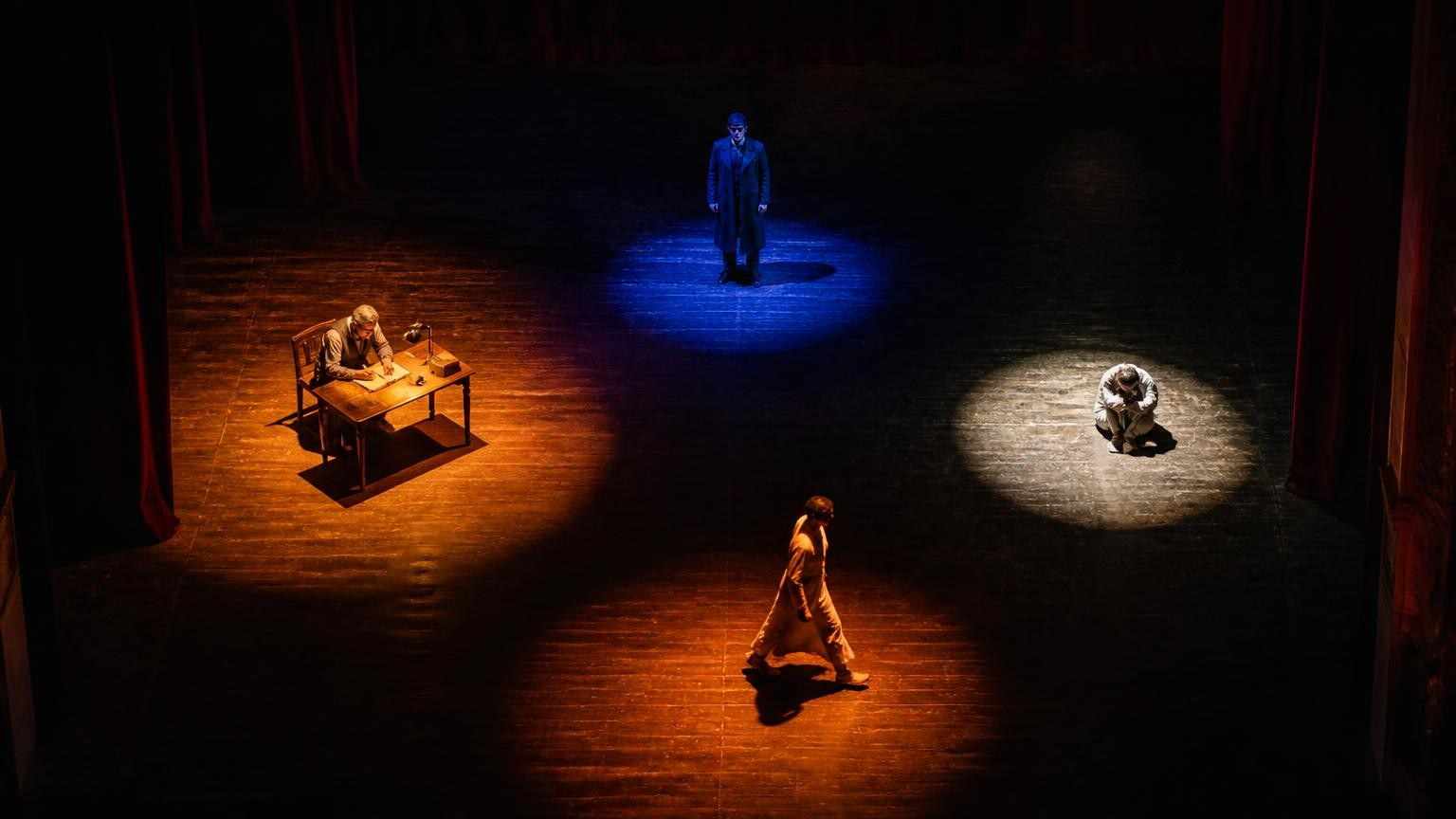
Behind the Curtain, Part Six: More Than One Role. Understanding Primary, Secondary, and Tertiary Structural Dissociation
Explore primary, secondary, and tertiary structural dissociation and how ANPs and EPs may organize everyday life, trauma, memory, identity, and survival in different ways.
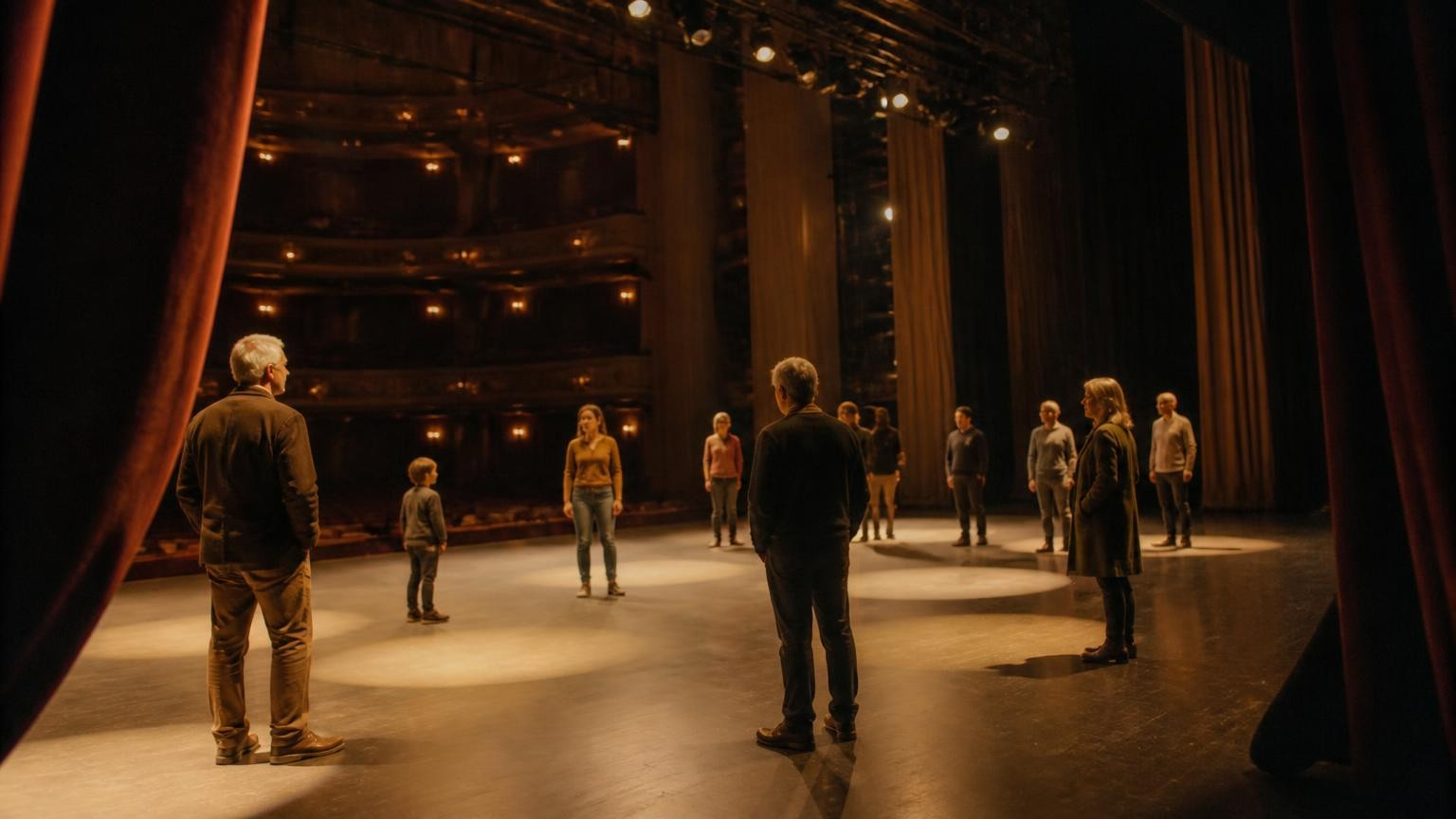
Behind the Curtain, Part Five: When the Cast Gives You the Stage: What It Can Feel Like When Parts Begin to Give You Space to Choose
What does healing with dissociative parts feel like? Explore how parts can begin to step back, share the stage, and create more space for awareness, choice, internal cooperation, and staying present.

Behind the Curtain, Part Four: When the Past Takes the Stage. Understanding Emotional Parts (EPs) in Structural Dissociation
What are Emotional Parts (EPs) in structural dissociation? Explore how trauma-related parts can carry survival responses, memories, emotions, and beliefs that make the past feel present, even when you know you’re safe now.

Behind the Curtain, Part Three: Keeping the Show Going. Understanding Apparently Normal Parts (ANPs) in Structural Dissociation
What are Apparently Normal Parts (ANPs)? Explore how structural dissociation can separate everyday functioning from trauma-related experiences, and why appearing capable doesn’t always mean feeling connected or whole.

Behind the Curtain, Part Two: When You Don't Know the Cast Has Changed. Understanding What Dissociative Parts Can Feel Like From the Inside
What does it feel like when a dissociative part takes the stage? Explore how parts, self-states, memory, emotions, and awareness can shift, often without a person realizing the cast has changed.

Behind the Curtain: Who Is Onstage? Understanding Dissociative Parts and Structural Dissociation
Explore structural dissociation and dissociative parts through the metaphor of a theater. Learn how trauma can shape parts of self, ANPs, EPs, memory, and awareness—and how dissociation-focused therapy can support healing.