

Deep Brain Reorienting (DBR) Therapy in Greenville, SC
Healing Trauma at the Level of the Nervous System
Sometimes trauma isn't just remembered.
It's felt.
A tightening in your chest.
A knot in your stomach.
A racing heart.
A sudden urge to pull away, shut down, or stay constantly on guard.
You may know you're safe.
Yet your body continues reacting as though danger is still present.
For many people, this isn't a sign of weakness.
It's how the nervous system learned to protect them.
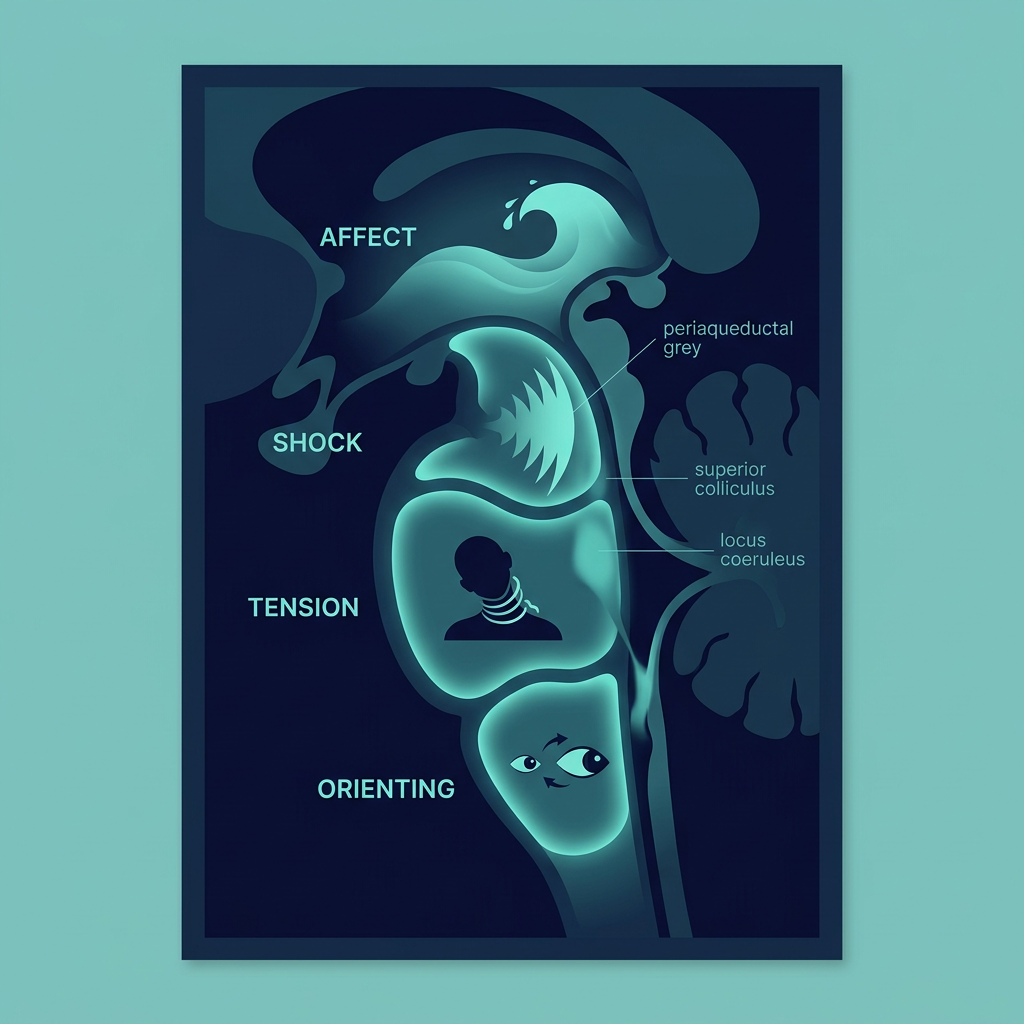
Deep Brain Reorienting (DBR) is a trauma-focused therapy that works with the brain's earliest orienting and protective responses, helping the nervous system process experiences that may have remained unresolved for years.
At Upstate Integrative Mind Counseling, we offer Deep Brain Reorienting (DBR) therapy for adolescents and adults throughout Greenville and Upstate South Carolina who are struggling with trauma, attachment wounds, anxiety, PTSD, and nervous system dysregulation.
What Is Deep Brain Reorienting?
Deep Brain Reorienting (DBR) is an emerging, neuroscience-informed psychotherapy developed by Dr. Frank Corrigan.
Unlike therapies that primarily focus on thoughts or behaviors, DBR works with the brain's earliest automatic responses to perceived threat.
Long before we consciously think about danger, the brain rapidly orients toward it.
If an experience becomes overwhelming, that orienting response can remain incomplete.
The nervous system continues reacting as though protection is still needed, even years later.
DBR helps individuals safely revisit these early brainstem responses so the nervous system can complete processing that was interrupted during traumatic experiences.
Rather than forcing memories to disappear, DBR helps reduce the body's automatic alarm response, allowing clients to experience greater calm, flexibility, and emotional regulation.
Trauma Lives in the Nervous System
Many people tell themselves,
"I should be over this by now."
They understand what happened.
They've talked about it.
They've learned coping skills.
Yet something still feels activated.
This is because trauma affects more than our thoughts.
It changes how the nervous system responds to the world.
Sometimes the body reacts before the thinking brain even realizes something feels threatening.
You may notice:
Feeling on edge for no obvious reason.
Startling easily.
Difficulty relaxing.
Chronic muscle tension.
Emotional numbness.
Feeling disconnected from yourself.
A sense that your body is always "bracing."
Strong reactions that seem difficult to explain.
These responses aren't failures.
They're signs that your nervous system learned to prioritize survival.
How Do You Know If DBR Might Help?
Deep Brain Reorienting may be especially helpful if you experience:
Complex trauma
Childhood trauma
PTSD
Attachment wounds
Chronic anxiety
Emotional dysregulation
Dissociation
Hypervigilance
Shame
Persistent fear
Relational trauma
Developmental trauma
DBR can also benefit people who feel stuck despite previous trauma therapy.
Sometimes insight has developed.
The nervous system simply hasn't caught up.
How Is DBR Different from Other Trauma Therapies?
Many trauma therapies help people understand what happened.
Others help process traumatic memories.
Deep Brain Reorienting focuses specifically on the nervous system's earliest orienting response before the emotional reaction fully develops.
By gently working with these foundational responses, clients often experience:
Reduced physiological reactivity
Greater emotional regulation
Increased feelings of safety
Less chronic hypervigilance
Greater capacity for connection
Improved resilience
The goal isn't simply symptom reduction.
It's helping the nervous system recognize that the danger has passed.
What Happens During DBR Therapy?
DBR moves slowly and intentionally.
Rather than rushing toward painful memories, therapy focuses on helping clients notice subtle physical sensations, shifts in attention, and nervous system responses as they emerge.
Treatment may include:
Developing Safety and Stability
Building resources so your nervous system feels supported before deeper trauma work begins.
Tracking the Body's Responses
Learning to notice subtle changes in posture, muscle tension, breathing, and orientation.
Processing Early Protective Responses
Allowing the brain to gently revisit and complete orienting responses that became interrupted during overwhelming experiences.
Integration
Helping the nervous system settle into new patterns of safety, flexibility, and regulation.
Many clients describe DBR as quieter and more body-centered than traditional talk therapy.
What Can Deep Brain Reorienting Help Treat?
DBR is increasingly being used to address:
PTSD
Complex PTSD
Childhood trauma
Attachment trauma
Chronic anxiety
Dissociation
Emotional dysregulation
Shame
Hypervigilance
Relational trauma
Developmental trauma
Research on DBR continues to grow, particularly in the treatment of trauma and attachment-related difficulties.
Why Choose Upstate Integrative Mind Counseling?
Healing trauma often requires more than simply understanding what happened.
It requires helping your nervous system experience safety in a new way.
At Upstate Integrative Mind Counseling, Deep Brain Reorienting is integrated within a broader trauma-informed approach that may also include EMDR, DBT, RO-DBT, Schema Therapy, mindfulness, and other evidence-based treatments when appropriate.
Every person's nervous system is different.
Rather than using the same therapy for everyone, we work collaboratively to determine the approach that best fits your history, goals, and readiness.
Frequently Asked Questions
Is Deep Brain Reorienting evidence-based?
DBR is an emerging, neuroscience-informed trauma therapy with a growing body of research supporting its effectiveness for trauma-related symptoms. Research continues to expand as more clinicians and researchers study the approach.
What's the difference between DBR and EMDR?
Both are trauma therapies, but they work differently. EMDR focuses on helping the brain process distressing memories, while DBR works with the nervous system's earliest orienting responses that occur before conscious awareness of threat.
Can DBR help with complex trauma?
Yes. Many clinicians use DBR to address developmental trauma, attachment wounds, and complex PTSD because it focuses on early nervous system responses that often develop through repeated experiences rather than a single traumatic event.
Do I have to talk about my trauma in detail?
No. DBR focuses less on retelling every aspect of traumatic experiences and more on gently observing how your nervous system responds in the present moment.
Healing Begins Before Words
Some experiences are too overwhelming to be fully understood through logic alone.
They live in the body.
They shape how we respond to relationships, stress, and the world around us.
Deep Brain Reorienting offers a gentle, neuroscience-informed approach to helping the nervous system complete what trauma interrupted.
When your body no longer needs to stay on constant alert, it becomes possible to experience greater calm, connection, and freedom.
If you're ready to explore whether Deep Brain Reorienting may be right for you, Upstate Integrative Mind Counseling is here to help.