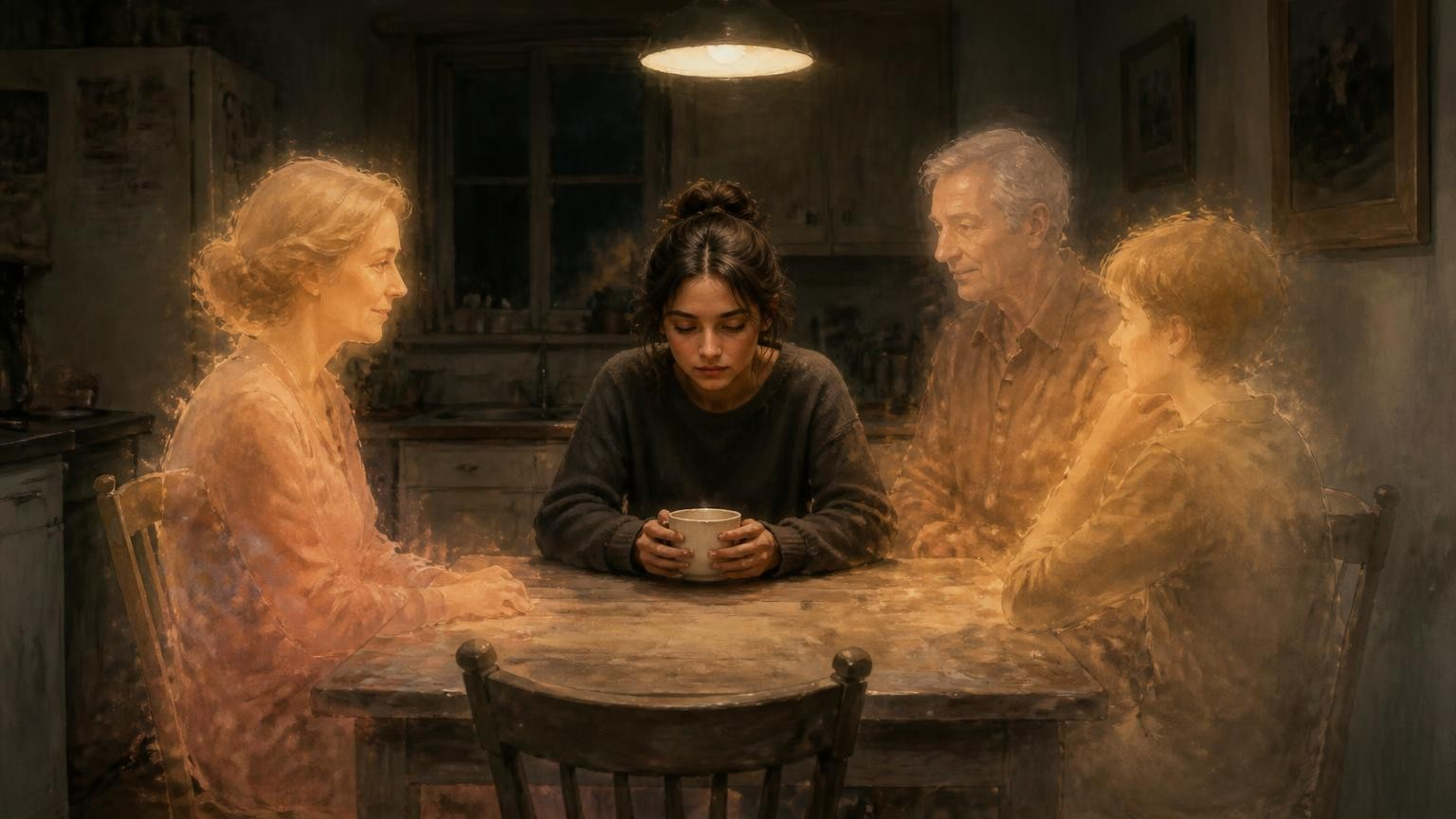
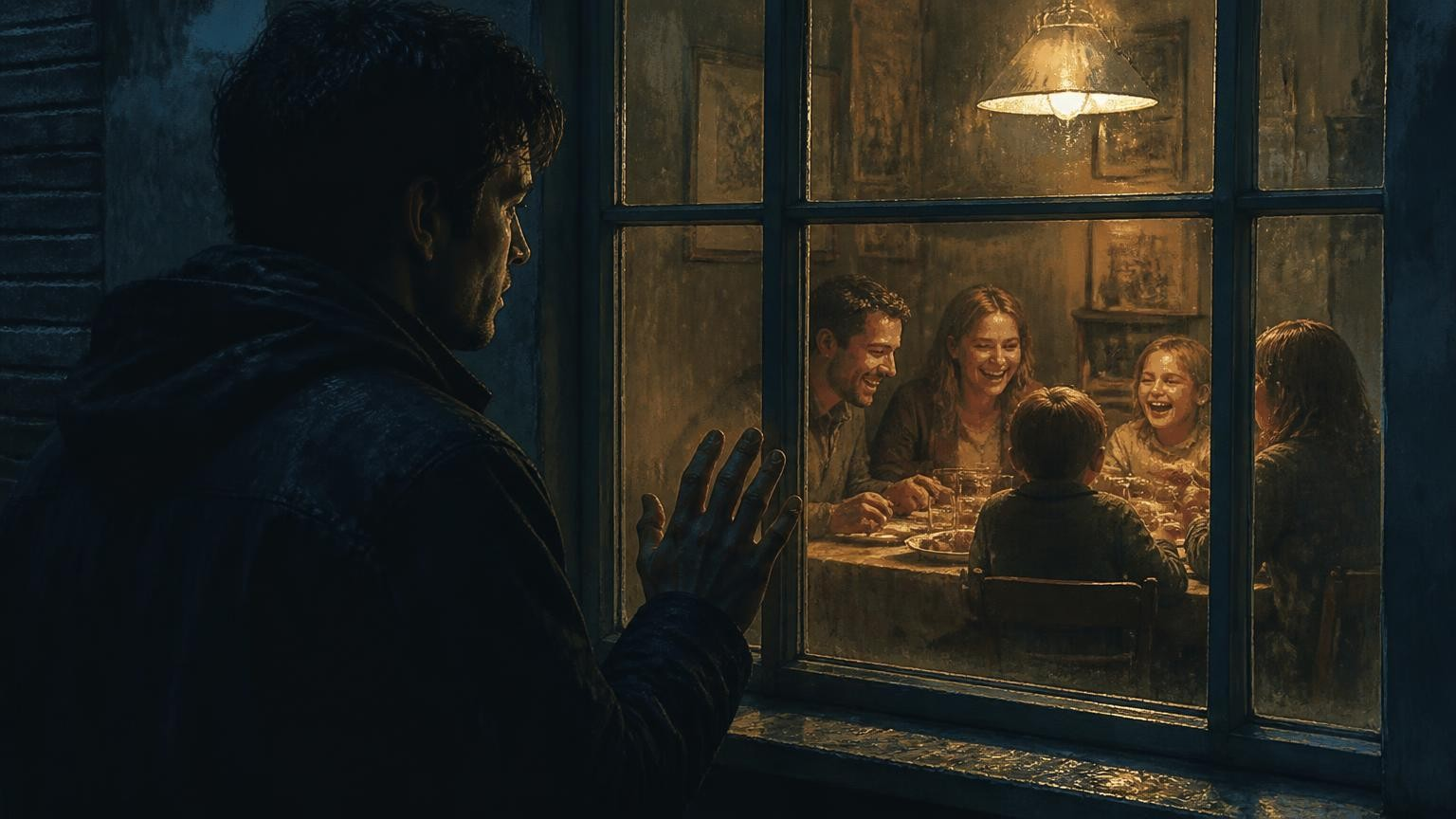
What happens when we aren't only relating to the family we have but also to the family we keep hoping they might become? In “The Family That Never Arrives,” the author introduces the concept of the “ghost family”: the internal representation of the family a person needed, expected, or still hopes will emerge. That representation can keep people moving between hope and disappointment, closeness and withdrawal, even when they intellectually recognize that longstanding family patterns may not change.

Drawing from attachment theory, ambiguous loss, counterfactual thinking, and research on how we imagine the future, the article explores why letting go of an unrealized relationship can be so difficult and why healing doesn't require dismissing the needs underneath that hope.

The clinical goal isn't necessarily reconciliation or estrangement. Instead, it is learning to distinguish the family that exists from the family we needed them to be, allowing decisions about boundaries, connection, repair, and grief to become grounded in repeated evidence rather than the hope of transformation.